

Kasina meditation is an ancient Buddhist concentration practice. You gaze at one simple object, such as a candle flame, a bowl of water or a piece of coloured cloth, then close your eyes and hold its image in your mind. Tradition names ten kasinas, and the goal is steadier attention, not visions or special effects.
If you came here asking “What is kasina meditation?” or “How do I actually practice it?”, this guide covers both: where it comes from, how it works, how to set up each of the ten kasinas, and how to keep your eyes safe.
My Experience With Kasina Meditation (Honestly)
I’ll be upfront: I’m not a kasina practitioner. I’ve gazed at a candle flame a few times and I enjoy walks in nature, but I haven’t made any of the ten a regular practice.
So please treat this as a carefully researched beginner’s guide, not a teacher’s manual. I’ve checked the traditional list of kasinas against reliable sources (listed at the end), kept the setups simple, and added safety notes. If you try one, I’d love to hear how it went in the comments.
The Origins of Kasina Meditation
“Kasina” is a Pali word, the language of the early Buddhist texts. After the Buddha’s death, his teachings were memorised and handed down as the Pali Canon. In the 5th century CE, the monk-scholar Buddhaghosa gathered the traditional meditation methods into a famous manual, the Visuddhimagga (“The Path of Purification”). It lists forty meditation subjects, and only ten of them are visual objects: the ten kasinas.
The idea was simple. Look at an object, take in its image, and let the mind settle on it without chasing thoughts. For early practitioners it was a way to build concentration, and in the tradition it’s a foundation for the deep, absorbed states called jhāna.
A quick note on lists: the earliest discourses give “consciousness” as the tenth kasina, while Buddhaghosa’s later commentary gives light. This guide follows the commentary’s list, with light as the tenth.
How Kasina Meditation Works
Kasina meditation is a concentration practice. Instead of noticing whatever arises, as in mindfulness, you give your attention one job: stay with a single object. (If you’re curious how the two differ, see mindfulness vs. concentration.)
The practice is a simple loop:
- Gaze at the object with relaxed eyes.
- Close your eyes and hold the image in your mind. You may also notice a faint after-image.
- When the image fades, or your mind wanders, open your eyes and look again.
In traditional language, the first mental image is called the “learning sign” (uggaha-nimitta). With steady practice it’s said to become cleaner and more luminous, a “counterpart sign” (paṭibhāga-nimitta). As a beginner you don’t need to chase it. Daniel Ingram, a modern teacher of kasina practice, describes the same loop in practical terms: look until the object’s edges start to shimmer or blur, then follow the after-image with your eyes closed.
What to expect: The image may be faint, or you may see nothing at all. Your mind will wander. That’s normal, and noticing the wandering and coming back is the practice.
Before You Start: Setup and Safety
The basic session (use it for any kasina)
- Place the object about two to three feet away, at or just below eye level, against a plain background.
- Sit upright but relaxed, with your shoulders down.
- Gaze softly at the object for about three minutes. Blink naturally and don’t strain.
- Close your eyes and hold the image in your mind for about two minutes.
- Open your eyes, take a breath, and finish, or repeat once.
I use three minutes plus two as a gentle starting point. Traditional and retreat-style practice is far longer and more intensive, so think of this as a taste, not the full method. If it feels comfortable, add a minute at a time over a few weeks.
Safety
- Never look directly at the sun. The light kasina below uses a patch of sunlight on a wall or floor, never the sun itself.
- Candles: use a stable holder, keep it away from curtains, paper and drafts, never leave it unattended, and put it out when you finish.
- Eye comfort: keep your gaze relaxed. If your eyes hurt, water heavily, or you get a headache, stop and rest.
- Be careful if you have an eye condition such as glaucoma, have had recent eye surgery, or have epilepsy or migraines. Check with your doctor first. My guide to trataka meditation covers these precautions in more detail.
- If a session leaves you unsettled, stop, open your eyes, and take a break. Talk to an experienced teacher if it keeps happening.
Curious about the yogic cousin of kasina? Trataka uses a candle flame in a similar way, with its own precautions.
The 10 Kasinas
The first four are the elements, the next four are colours, and the last two are space and light. You don’t need to practice all ten. Pick one that suits you and stay with it for a while.
1. Pathavi Kasina (Gazing upon Earth) – Soil or Clay Disc
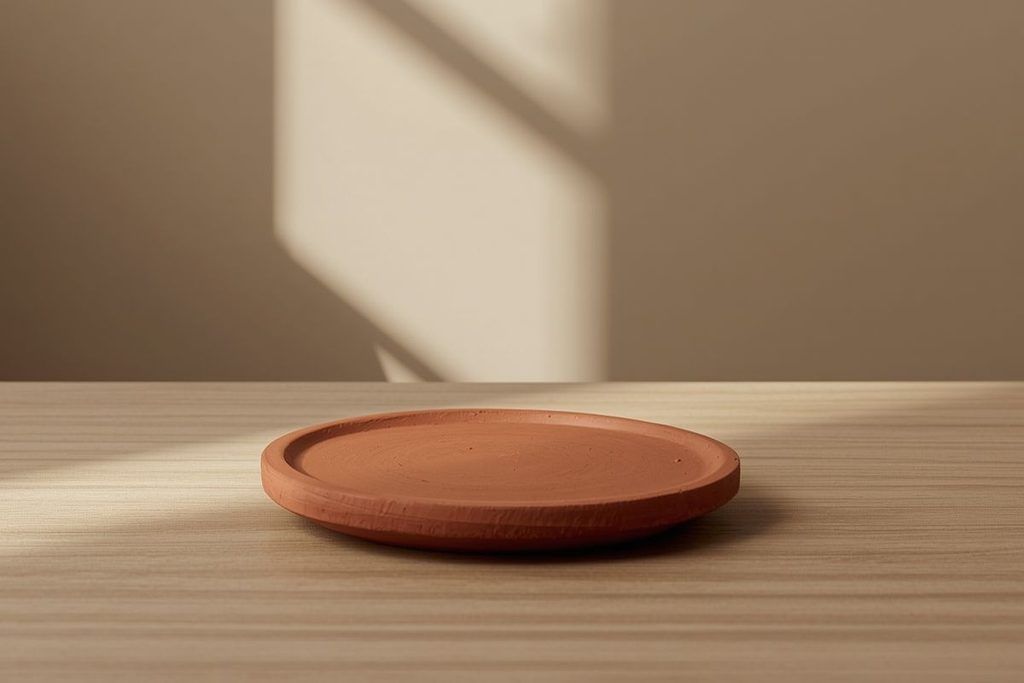
What you’ll need: A shallow round tray or board and some clean, reddish-brown clay or soil. Traditionally this kasina is a smooth disc of earth in that colour.
How to set up: Press the clay flat and smooth it into a round disc. Place it two to three feet away, at eye level, against a plain background.
What to notice: The colour, the texture, and the edge of the disc. With your eyes closed, hold its round shape and its colour.
Beginner tip: No clay handy? A smooth, round disc of terracotta-coloured card is a fine stand-in.
2. Apo Kasina (Gazing upon Water) – Bowl of Water
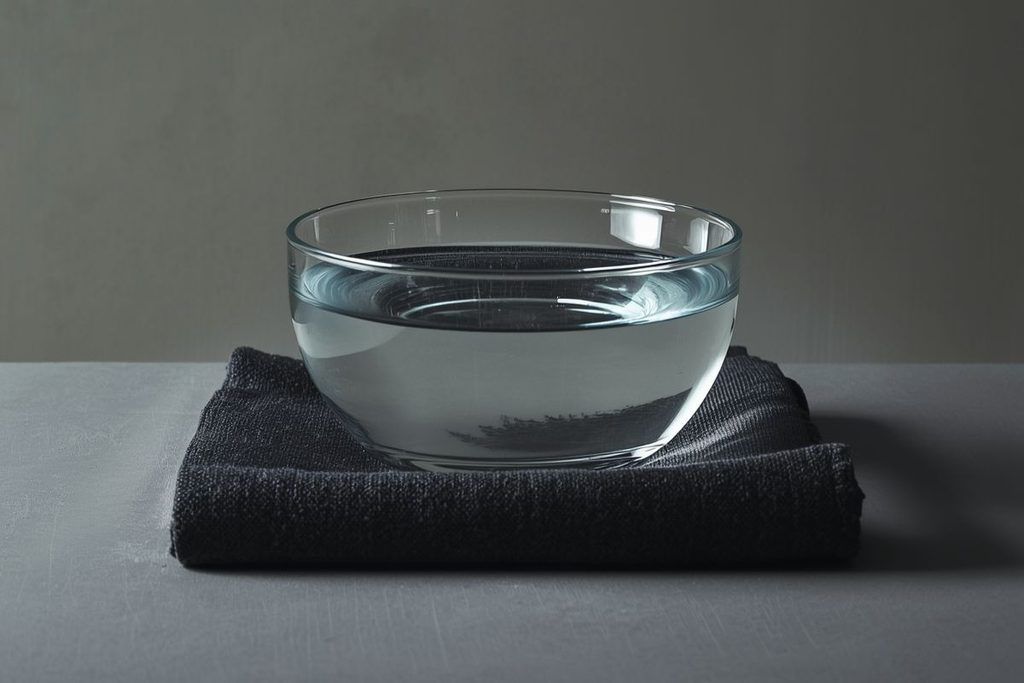
What you’ll need: A clean, clear glass bowl of still water.
How to set up: Put the bowl on a table at eye level, two to three feet from your seat. Keep it out of direct sun, which creates glare.
What to notice: The stillness of the surface, how the water takes the shape of the bowl, and the soft light inside it. With your eyes closed, hold that sense of stillness.
Beginner tip: A dark cloth under the bowl cuts down distracting reflections.
3. Tejo Kasina (Gazing upon Fire) – Candle Flame
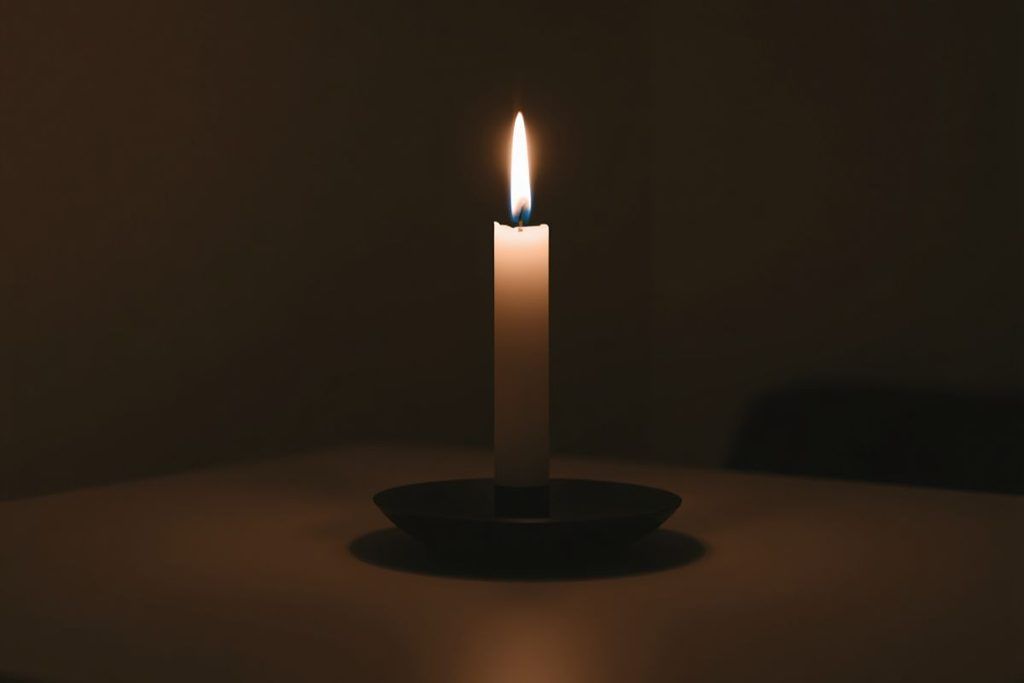
What you’ll need: A plain, unscented candle. Scent can become a distraction.
How to set up: Use a dim room without drafts. Place the candle two to three feet away with the flame at eye level. (Read the candle safety notes above first.)
What to notice: The shape of the flame, its gentle movement, and the changes in colour. With your eyes closed, you may notice a glowing after-image. Just watch it.
Beginner tip: If the flame flickers a lot, a draft is the usual cause. Move the candle to a still corner.
4. Vayo Kasina (Gazing upon Wind) – Branches in a Breeze
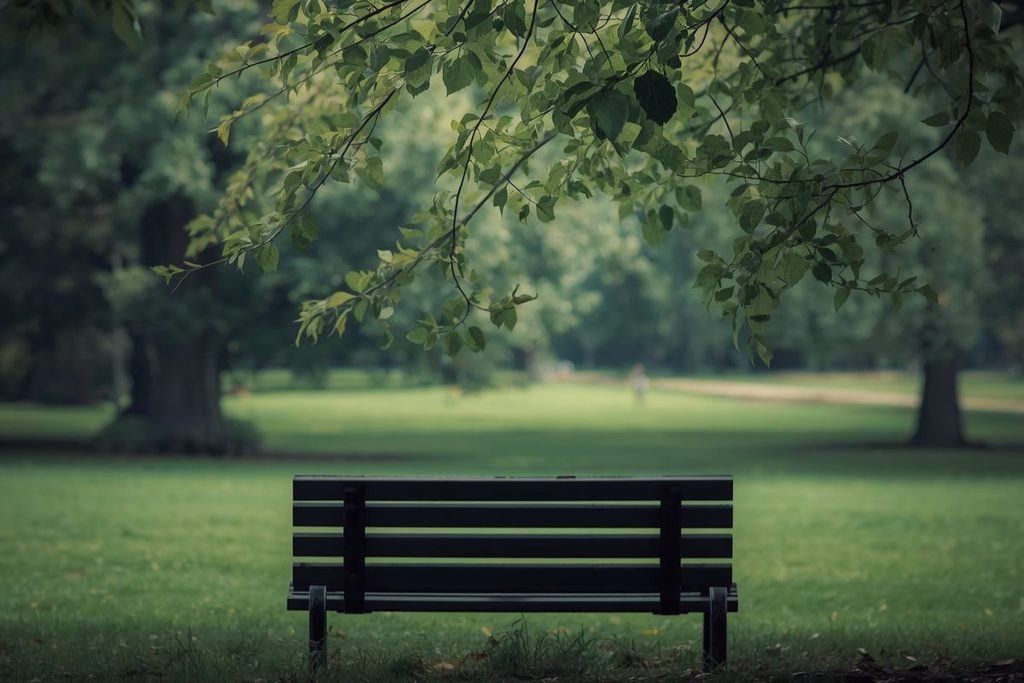
What you’ll need: Nothing to buy. This is the one kasina that isn’t a physical object. Find a park, garden or tree-lined lane where you can watch leaves and branches move in the wind.
How to set up: Take a short walk, then sit on a bench with a straight back where you can see the branches clearly.
What to notice: The movement itself: leaves trembling, branches swaying. After about three minutes, close your eyes and hold the sense of that movement.
Beginner tip: This one depends on the weather. On a still day, watch a leafy branch anyway or choose a different kasina.
5. Nila Kasina (Gazing upon Blue) – Blue Cloth or Flower
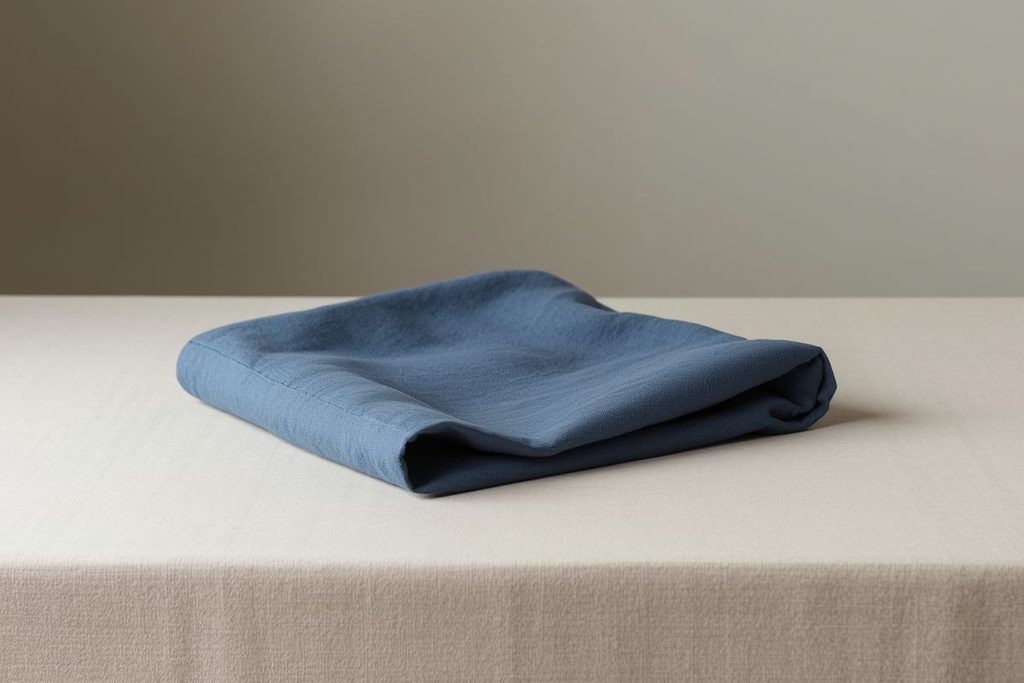
What you’ll need: A piece of plain blue cloth or card, or a blue flower, against a neutral background.
How to set up: Place it two to three feet away at eye level.
What to notice: How even the colour is, how it deepens in the shadows, and how soft or sharp the edges are. People often associate blue with calm. Notice whether it feels that way to you.
Beginner tip: A solid colour with no pattern gives the cleanest image to hold.
6. Pita Kasina (Gazing upon Yellow) – Flower, Cloth or Lemons
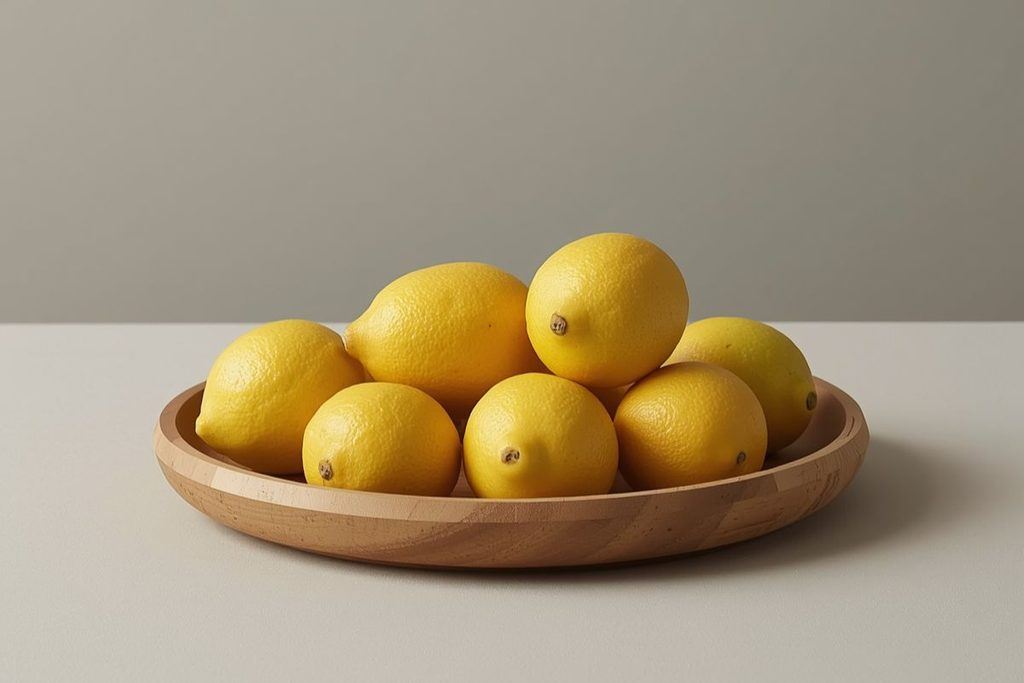
What you’ll need: A yellow flower such as a sunflower, a yellow cloth or card, or a tray of lemons.
How to set up: Position it two to three feet away, with your gaze level with the object.
What to notice: The brightness, the shape, and how the colour changes as the light shifts. People often associate yellow with warmth and energy.
Beginner tip: Choose one object and keep it the same for each session, so you build familiarity.
7. Lohita Kasina (Gazing upon Red) – Red Apple or Tomatoes
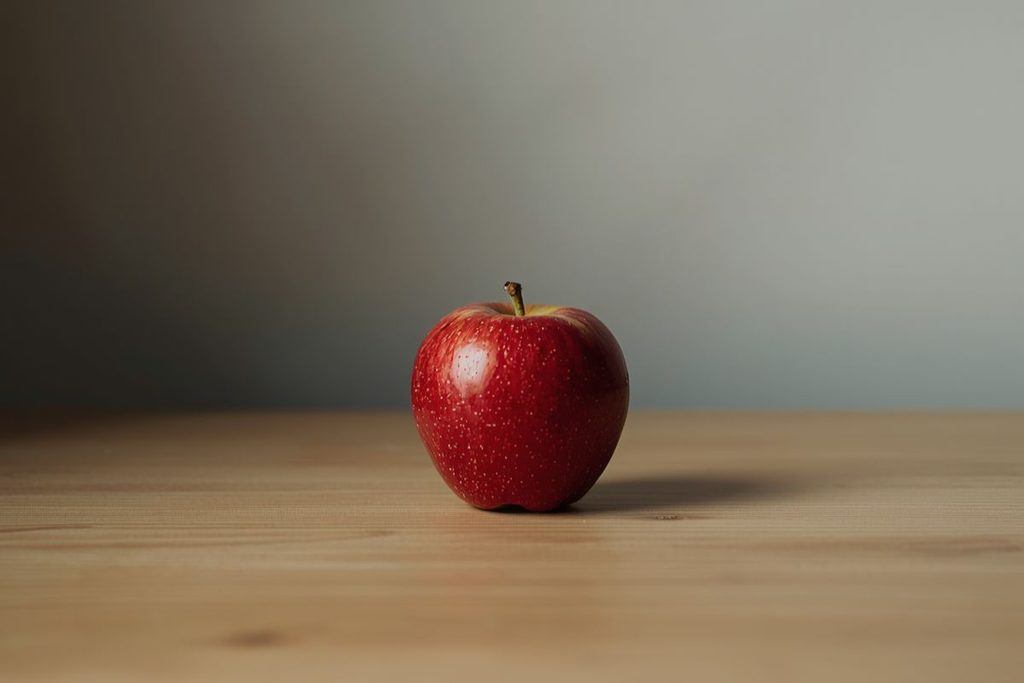
What you’ll need: A red object such as an apple, a tomato, strawberries, or a red cloth.
How to set up: Place it on a stand or table two to three feet away, at eye level.
What to notice: The depth of the red, the roundness of the shape, and where the light catches it. People often associate red with warmth and strength. After your eyes-closed round, you can always eat the apple 🙂
Beginner tip: Put the object against a plain background so nothing competes for your eyes.
8. Odata Kasina (Gazing upon White) – White Flower or Card
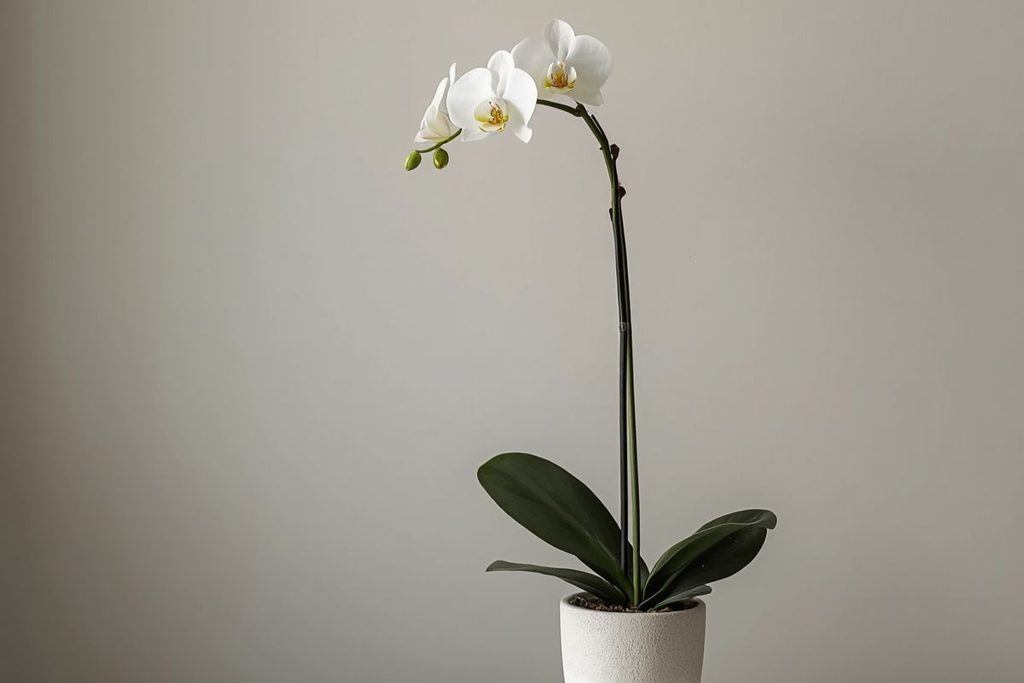
What you’ll need: A white flower such as a lily or orchid, or a sheet of plain white card.
How to set up: Place it two to three feet away, directly in your line of sight.
What to notice: The petals, their delicate shape, and the quiet brightness of the white.
Beginner tip: White can glare under harsh light. Soft, indirect light works best.
9. Akasa Kasina (Gazing upon Space) – Sky Through a Window
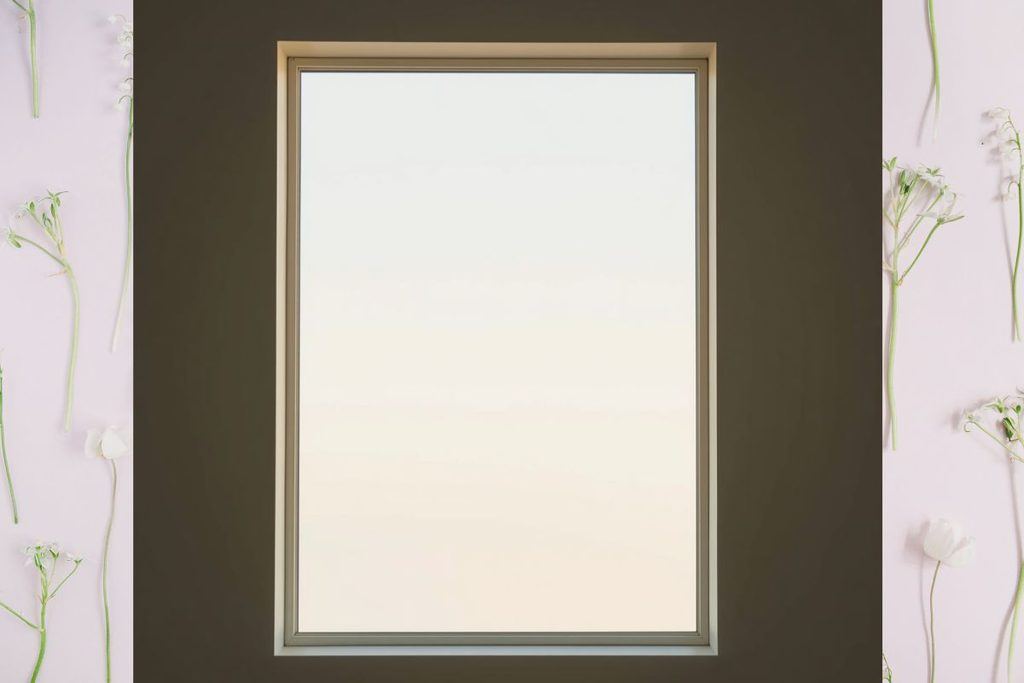
What you’ll need: A window with a clear view of the sky.
How to set up: Sit beside the window and gaze at a patch of open sky (not toward the sun), ideally on a clear morning. The traditional version is “space seen through an opening”, and a window frame does that nicely.
What to notice: The vastness and the lack of edges. After about three minutes, close your eyes and imagine that open space. Many people find the sense of spaciousness calming. Some like to end by silently saying thank you.
Beginner tip: If the sky is cloudy or busy, soften your focus and rest your attention on the overall brightness.
10. Aloka Kasina (Gazing upon Light) – A Patch of Sunlight
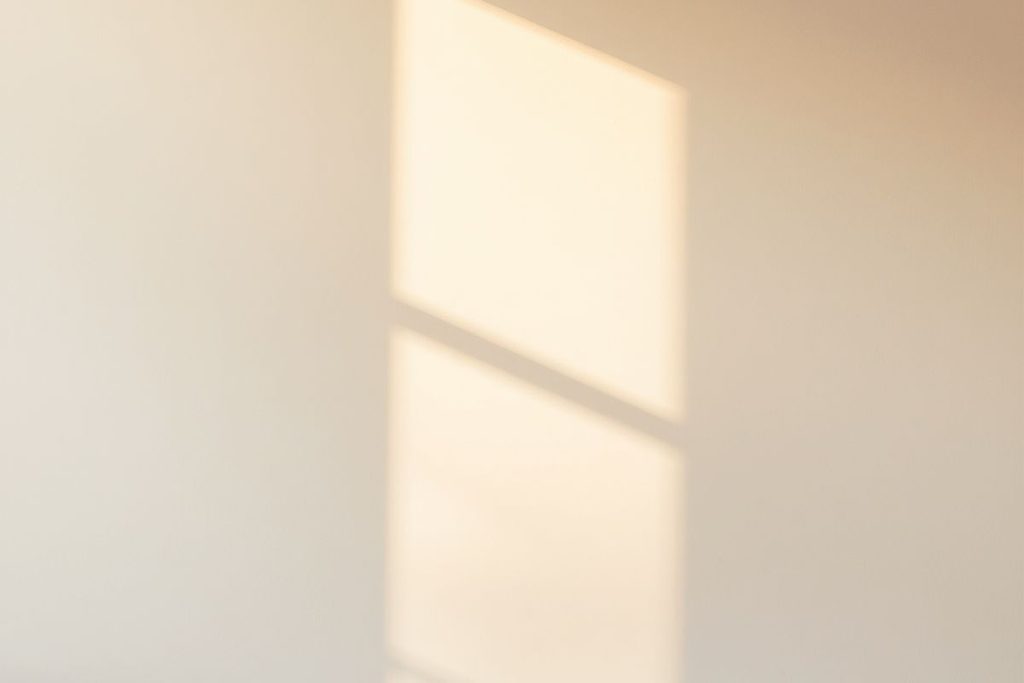
What you’ll need: A sunlit patch on a wall or floor, or the soft glow of a lamp on a wall. Never the sun itself.
How to set up: Sit two to three feet from the patch of light. Many traditions treat light as a symbol of clarity and life, and this kasina asks you to simply rest with it.
What to notice: The soft edges of the patch, its brightness, and the warmth. With your eyes closed, hold the glow in your mind.
Beginner tip: The patch moves as the sun moves, so choose a time of day when the light is steady.
Want a guided routine to build the habit? Here is a meditation program that can help you. I have reviewed its curriculum and schedule: a five-week beginner program of short daily lessons that starts with breath counting and breath awareness.
Which Kasina Should You Start With?
There’s no single right answer. Buddhaghosa’s classic advice links the four colour kasinas to people who tend toward anger or aversion, and says the other six suit everyone. I wouldn’t read too much into that as a beginner.
These are my practical suggestions, not rules from the texts:
| If you… | Try |
|---|---|
| Want the easiest setup | Fire (candle) or Water (bowl) |
| Feel restless and dislike sitting still | Wind (outdoors) |
| Prefer something clean and simple | A colour (blue or white) on plain card |
| Like something calm and open | Space (sky through a window) |
| Have steady morning light | Light (patch of sunlight on a wall) |
If you’d like more ways to train focus beyond gazing, see my meditation techniques for focus.
Common Mistakes and Misunderstandings
Myth: You Have to Practice All Ten
You don’t. Traditionally you work with one kasina at a time. Choose the one that helps your concentration and stay with it.
Myth: You’re Supposed to See Something Special
The image may be faint, or absent. What matters is relaxed, steady attention, not visions. Chasing an image usually just creates tension in your eyes and forehead.
Mistake: Staring Harder
Hard staring strains your eyes and tires your mind. Keep your gaze soft, blink naturally, and let the object come to you.
Mistake: Practising Too Long, Too Soon
Short, regular sessions beat one long, uncomfortable one. Start with five minutes and build slowly.
Myth: It’s Only for Buddhists or Monks
The practice grew out of Buddhist tradition, but the technique is simply sustained attention on an object. People of any belief, or none, can try it.
Kasina vs. Trataka vs. Mindfulness
| Kasina | Trataka | Mindfulness | |
|---|---|---|---|
| Tradition | Buddhist (Pali) | Yoga | Buddhist and secular |
| Object | One of ten traditional objects | Usually a candle flame or a point | Whatever arises: breath, body, thoughts |
| Main aim | Deep concentration | Steadying the gaze and the mind | Present-moment awareness |
Kasina and trataka are close cousins, and my guide to trataka meditation goes deeper on the yogic version.
Kasina Meditation FAQs
How long should I practice kasina meditation?
Start with about five minutes (three minutes gazing, two with your eyes closed) and add a minute or two as it feels comfortable. Retreat-style practice goes much longer, but beginners usually do better with short, regular sessions.
Which kasina is best for beginners?
There’s no official answer. A candle flame or a bowl of water is the easiest to set up, and a plain coloured card is simple and cheap. See the table above for more ideas.
Is kasina meditation the same as trataka?
They’re similar but not the same. Both involve gazing at one object to steady the mind. Kasina comes from Buddhist tradition, with ten traditional objects and an emphasis on holding the mental image. Trataka comes from yoga practice and typically uses a candle flame or a point.
Is kasina meditation safe for my eyes?
For most people, gentle gazing is fine. Never look directly at the sun, stop if your eyes hurt, and check with your doctor first if you have glaucoma, recent eye surgery, epilepsy or migraines.
Can kasina meditation give you supernatural powers?
Classical commentaries connect the deep concentration states reached through kasina practice with extraordinary abilities. I can’t verify those claims, and I’m not aware of scientific evidence for them. What I can say is that, at its core, the practice is a way to train steady attention.
Do I need to be Buddhist to practice kasina meditation?
No. The practice began in Buddhism, but anyone can use it as a concentration exercise.
Final Thoughts
Kasina meditation is beautifully simple: one object, a few minutes, and a mind that gradually learns to settle. You don’t need to master all ten. Choose one object, give it five minutes a day for a week, and see what you notice. Which kasina will you try first? Share your experience in the comments below. I read every one.
Want to train your focus with some guidance? I compared several courses that build sustained attention.

Sources I checked
- Kasina (Wikipedia)
- Kasina Practice, chapter 29 of Mastering the Core Teachings of the Buddha (Daniel Ingram)
- The Path of Purification (Visuddhimagga) by Buddhaghosa, translated by Bhikkhu Ñāṇamoli
Hi Satish,
I am to be honest here…I loved this post. Your writing style is easy to understand and makes me want to read more. This was a new topic for me and you made it really easy with simple steps to practice it right away.
I wish you the best brother.
Hi Jacobus,
I appreciate your honesty and I am happy to know that you found my writing style easy to understand and thank you so much for good wishes ~ Stay Blessed 🙂
Hi Satish,
I’ve never really thought about doing meditation before, but this is a good post to help me get into it. I knew 0% of any of these, so this was a great learning experience and a fun read.
Thank you for the article and keep up the great work!
-Joseph
Hi Joseph,
I am glad you learnt something new today. Try to incorporate meditation as a part of your daily routine ~ Stay Blessed 🙂
Hi Satish,
I am surprised to read about this particular meditation practice as it is new to me but it is very interesting to learn. I will be able to approach meditation with more information which I have read here. Great detail in your article – Thank you for an engaging post.
Hi Ola,
I am happy you found this post interesting and engaging. Thank you for your comment and wishing you all the best with your practice ~ Stay Blessed 🙂
Hi Satish,
I came across your post and was intrigued by it, so I decided to give it a read. I belong to the religion of Islam and therefore meditate in slightly different way. Instead of focusing and observing certain aspects of nature and finding inner peace through this, we as Muslims recite from our Holy Quraan where we find peace within its words and from trying to recite in a melodious manner.
Overall I find your post interesting and it is always good to find out more about how people of different religions pray
Hi Yahya,
I am happy you found this post interesting and thank you for sharing your experience. Meditation is a spiritual practice, regardless of your religious beliefs. The ultimate goal of meditation is realization of the true nature of the self. The practice of meditation is “key” the approach can vary for different people ~ Stay Blessed 🙂
Hi Satish,
I am a meditation practitioner although I’m more on the Vipassana method. This is the first time I’ve read about kasina meditation.
I think it’s really good practice for people who struggle with concentration. Vipassana or the mindfulness method can be tough for beginners. Thanks for sharing.
Hi Kenny,
Glad to know that you are already practicing meditation. You are right – Kasina Meditation is a form of concentration meditation. The objective is to sharpen the concentration skills who struggle with concentration ~ Stay Blessed 🙂
Hi Satish,
A very informative article on meditation. I have to admit that prior reading this the only knowledge that I had on meditation, was the word itself. Keep up the good work.
Regards,
Anestis
Hi Anestis,
I am glad you found something new today to learn ~ Stay Blessed 🙂
Hi Satish,
I’m just discovering meditation. Well, I’ve of course heard about it but never really had the patience to try it (oh the irony…) seriously. I’ve had somewhat of a spiritual awakening in the past couple of years. I have a very scientific and atheistic background, but some personal experiences and realizations as well as few books I read really opened my eyes that the world is probably not like it seems on the superficial level. Our consciousness is something much more and everything in nature and the universe seems to be connected on a deeper level.
Being still in the moment, aware of your surroundings, and without constantly thinking about past and possible future events have really made me appreciate life and simple things.. Meditation plays a huge role in achieving this state. You need to concentrate to shut the ego and just experience life as it is. I’ve never actually really tried pure Kasina Meditation as I usually meditate with my eyes closed. But I’ve done my share of staring at the wonder of nature with a blank mind, so I guess that counts.
Hi Jukka,
Thanks for sharing your experiences, I think you are going on the right track. Continue your meditation practice with the conviction that it will bring a deeper understanding of the self ~ Stay Blessed 🙂
Hi Satish,
Thank you for this wonderful explanation of Kasina Meditation. I will try this right away.
Hi Donat,
Wishing you all the best with your meditation practice ~ Stay Blessed 🙂
Hi Satish,
I’ve tried a number of different ways to meditate but none as good as this one. Thanks for a really good and simple explanation on how to do the various aspects. I’m going to give these a go and especially the sunlight one which I really liked. I think in this day and age we all really need to meditate just to get back some sanity in a mad, mad world.
Hi Melanie,
I am glad you found this post useful, wishing you all the best with your meditation practice ~ Stay Blessed 🙂
Hi Satish,
I have heard this is how ancient masters achieved supernatural powers. Can you explain how that exactly happens with a scientific explanation?
Thank you!
Hi Osanda,
I understand your comment, but I’m uncertain about the methods employed by ancient masters to attain supernatural abilities. However, what I can affirm is that through consistent meditation practice, one can develop a greater self-awareness and a deeper comprehension of the world around them which eventually would help individuals to lead a meaningful life ~ Stay Blessed 🙂
Hi Satish,
Thank you..Nila Kasina is the best way to concentrate my mind….I’m very comfortable with blue color & that’s the best element.
Hi Hemamali,
Perfect! The blue color has such a calming and focusing effect, and it’s wonderful that you feel comfortable with it.
Wishing you continued clarity and concentration in your meditation journey ~ Stay Blessed 🙂