

Many beginners start meditating with high hopes, only to feel frustrated when it doesn’t seem to work. Why meditation does not work for some people, while others swear by its benefits? The truth is, meditation itself isn’t the problem. It’s often the way we approach it. Unrealistic expectations, distractions, or choosing the wrong technique can make it feel ineffective.
In this blog post, we’ll explore nine common reasons why meditation does not work for beginners and, more importantly, how to fix them. Whether you struggle with a restless mind, impatience, or finding the right practice, these simple solutions will help you make meditation work for you.
1. Unrealistic Expectations
Many beginners expect meditation to bring instant peace and deep relaxation. When that doesn’t happen, they feel frustrated and assume meditation isn’t working for them.
Why It’s a Problem
- Meditation is a skill that takes time to develop. If you expect immediate results, like a perfectly clear mind or an overwhelming sense of calm, you may feel disappointed.
- Meditation is not about stopping thoughts or forcing relaxation. It’s about training the mind to become more aware and present.
- When beginners don’t see quick changes, they may think they’re doing it wrong or that meditation just doesn’t work for them. This mindset can lead to quitting before experiencing the real benefits.
How to Fix It
- Shift your mindset from expecting instant results to embracing meditation as a long-term practice.
- Start small, just five to ten minutes a day, without worrying about “doing it right.” Focus on consistency rather than perfection.
- Instead of expecting complete silence in your mind, learn to observe your thoughts without getting attached to them. Meditation is about noticing your mental patterns, not erasing them.
- Patience is key. Just like exercise strengthens the body over time, meditation strengthens the mind.
2. Inconsistent Practice
Meditation works best when done regularly. Many beginners start with enthusiasm but struggle to maintain a routine. Skipping sessions makes it harder to see progress.
Why It’s a Problem
- Meditation is like any other skill, it improves with practice. If you meditate only once in a while, your mind doesn’t get enough training to build focus and awareness.
- Inconsistent practice leads to frustration because you won’t notice benefits, making it easier to give up.
- Another challenge is forgetting to meditate. Without a set routine, it’s easy to push meditation aside when life gets busy.
- Many beginners also stop when they don’t see results right away, not realizing that progress takes time.
How to Fix It
- Make meditation a daily habit, even if it’s just five minutes. The key is consistency, not long sessions. Set a specific time, like after waking up or before bed, to build a routine.
- Link meditation to an existing habit. For example, meditate right after brushing your teeth or before having your morning coffee. This makes it easier to remember.
- Use reminders if needed. If you miss a session, don’t be hard on yourself, just pick it up again the next day. Over time, regular practice will make meditation feel more natural and effective.
Start Practicing Meditation Daily For 10 mins
Discover how just 10 minutes a day can transform your mindfulness practice.
Learn simple, practical steps to start meditating today
Start your journey to inner peace today!
3. Difficulty Quieting the Mind
Many beginners think meditation means having a completely silent mind. When thoughts keep coming, they feel like they’re failing. This can lead to frustration and giving up too soon.
Why It’s a Problem
- The mind is naturally active. Thoughts will arise, no matter how hard you try to stop them. If you believe meditation requires an empty mind, you might feel discouraged when your thoughts don’t go away.
- Fighting thoughts makes meditation harder. The more you try to silence your mind, the more restless it becomes. This struggle creates stress instead of calm, making meditation feel like a battle rather than a peaceful practice.
How to Fix It
- Accept that thoughts are normal. Meditation is not about stopping them but about noticing them without getting caught up in them. Imagine thoughts like clouds passing in the sky, observe them, but don’t hold onto them.
- Use a focus point, like your breath, a mantra, or body sensations. When your mind wanders, gently bring it back. This is the real practice of meditation, returning your attention again and again.
- Start with guided meditations if focusing feels difficult. Over time, your mind will become more steady, but even experienced meditators have thoughts during practice. The key is to stay patient and allow the process to unfold naturally.
4. Discomfort or Restlessness
Sitting still for meditation can feel uncomfortable, especially for beginners. Physical aches or a restless mind can make it hard to focus.
Why It’s a Problem
- Many people are not used to sitting still for long periods. Stiffness in the back, legs, or neck can become distracting.
- If your body feels uncomfortable, your mind will focus on the discomfort instead of the meditation.
- Restlessness is another challenge. Some beginners feel impatient or struggle with the urge to move. This can make meditation feel frustrating rather than calming.
How to Fix It
- Find a comfortable position. You don’t have to sit cross-legged on the floor. Try sitting in a chair with your feet flat on the ground. Use a cushion or back support if needed. The key is to keep your spine upright but relaxed.
- Stretch before meditating. Gentle stretches can release tension and help your body settle. If discomfort still arises, shift your focus to your breath or body sensations instead of resisting the feeling.
- If restlessness is a problem, start with movement-based meditation. Walking meditation, mindful yoga, or deep breathing exercises can help calm your mind before sitting still. Over time, as your body adjusts, sitting meditation will feel more natural.
5. Not Using the Right Meditation Technique
There are many types of meditation, but not all of them work for everyone. If a technique feels frustrating or unnatural, it may not be the right one for you.
Why It’s a Problem
- Beginners often try a method that doesn’t suit their personality or needs. Some people struggle with breath-focused meditation, while others find silent sitting too difficult. If the practice feels boring, confusing, or uncomfortable, it can be hard to stay motivated.
- Jumping between techniques too often can also slow progress. Trying too many styles without giving one enough time can create more frustration. Instead of building consistency, you might feel lost or unsure about what works best.
How to Fix It
- Start with a simple technique that feels natural. If focusing on the breath is difficult, try guided meditation, body scan, or mantra meditation. Experiment, but give each method at least a week before deciding if it works for you.
- Choose a technique that fits your lifestyle. If you struggle with sitting still, try walking meditation or mindful movement.
- The best meditation is the one you can stick with. Find what feels right for you, and be patient as you develop your practice. Over time, you can explore deeper techniques, but building a strong foundation is the key.

7 Best Meditation Techniques For Beginners
Discover 7 powerful meditation techniques that can bring you calm and clarity.
It’s time to choose one and give it a try. Don’t wait, start meditating today and feel the benefits in your mind and body!
Start your journey to inner peace today!
6. Impatience & Self-Judgment
Many beginners expect quick results and get frustrated when progress feels slow. They may also judge themselves harshly, thinking they are “bad” at meditation.
Why It’s a Problem
- Meditation is a gradual process. Changes happen over time, not overnight.
- If you expect immediate calm or focus, you may feel discouraged when your mind still wanders. This impatience can lead to giving up too soon.
- Self-judgment makes things worse. Thoughts like “I can’t do this” or “My mind is too busy” create negativity, making meditation feel like a struggle. Instead of relaxing into the practice, you may feel tense or frustrated.
How to Fix It
- Shift your focus from results to the practice itself.
- Meditation is not about achieving a perfect state but about showing up consistently.
- Even if your mind wanders, you are still meditating. The key is to keep returning to the present moment without frustration.
- Be kind to yourself. Treat each session as an opportunity to learn, not as a test of success or failure. When self-judgment arises, acknowledge it and let it go, just like any other thought.
- If impatience is a challenge, try shorter sessions. Even five minutes of consistent practice can be effective.
7. Lack of Guidance or Support
Meditation can feel confusing at first. Without proper guidance, beginners may struggle to understand if they are practicing correctly.
Why It’s a Problem
- Without clear instructions, it’s easy to develop doubts or bad habits.
- You might wonder if you’re meditating the right way or feel stuck when challenges arise. This uncertainty can lead to frustration and make it harder to stay motivated.
- Meditating alone can also feel isolating. Without support, it’s easy to lose interest or give up when progress seems slow.
How to Fix It
- Seek guidance from reliable sources. Use online courses, or books by experienced teachers.
- Consider joining a meditation group or community. Practicing with others can keep you motivated and provide encouragement when you face challenges.
- If possible, find a teacher or meditation coach. Learning from someone experienced can give you personalized advice and help you stay on track. With the right guidance and support, meditation will feel easier and more rewarding.

Tired of the struggle with meditation?
Ready to turn your meditation practice into a lifelong habit?
Join the Limitless Life Meditation Program and discover the three pillars of meditation that will help you create lasting change.
Get instant access now!
8. External Distractions
Noise, interruptions, and a busy environment can make it hard to focus during meditation. Constant distractions can break your concentration and make the practice feel frustrating.
Why It’s a Problem
- Meditation requires a certain level of stillness and focus. If your surroundings are noisy or chaotic, your mind may struggle to settle.
- Unexpected interruptions, like phone notifications, loud neighbors, or family members, can make it difficult to stay present.
- When distractions happen often, you might start associating meditation with frustration rather than relaxation. This can lead to avoiding practice or feeling like it’s impossible to meditate in daily life.
How to Fix It
- Choose a quiet place for meditation. If possible, find a space where you won’t be disturbed. Let others know you need some uninterrupted time.
- Reduce distractions before starting. Put your phone on silent or airplane mode. If noise is unavoidable, try using earplugs or playing soft background music, like nature sounds or white noise.
- If interruptions happen, stay calm and return to your meditation. Instead of getting frustrated, treat distractions as part of the practice.
9. Not Understanding the Purpose of Meditation
Many beginners start meditating without a clear understanding of what it’s meant to do. This can lead to confusion or unrealistic expectations.
Why It’s a Problem
- Some people think meditation is only for relaxation, while others believe it should stop all thoughts. When their experience doesn’t match these expectations, they may feel like they’re failing.
- Without knowing the real purpose, meditation can feel pointless. If you don’t understand how it benefits your mind and life, it’s easy to lose motivation and quit.
How to Fix It
- Learn the true purpose of meditation. It’s not about forcing the mind to be blank or instantly feeling peaceful.
- Meditation trains awareness, helping you observe thoughts and emotions without reacting to them.
- Explore different meditation benefits. It improves focus, reduces stress, and increases self-awareness. Knowing these benefits can keep you motivated, even when meditation feels challenging.
Final Thoughts
Meditation can feel difficult at first, but that doesn’t mean it doesn’t work. Many beginners struggle with unrealistic expectations, inconsistency, restlessness, or distractions. Understanding these common challenges can help you overcome them and build a steady practice.
The key to successful meditation is patience and consistency. Instead of aiming for perfection, focus on showing up every day, even for a few minutes. Choose a technique that suits you, find a comfortable space, and let go of self-judgment.
With time and practice, meditation will become easier and more rewarding. Stick with it, and you’ll begin to experience its many benefits, not just during meditation, but in your everyday life.
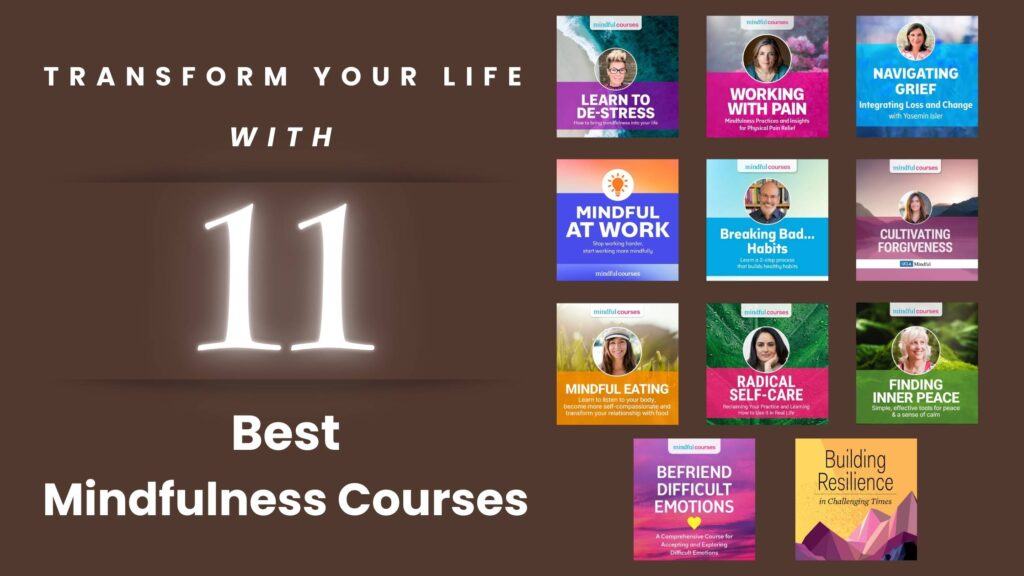
Deepen Your Mindfulness Practice
Explore these top mindfulness courses and find the one that best suits your needs.
Whether you want to reduce stress, build resilience, or cultivate self-compassion, there’s a course for you.
Start your journey today!
