You’re rushing to meet a deadline, your phone keeps buzzing, and your mind feels like it’s spinning faster than you can keep up. In moments like these, it’s easy to feel completely consumed by stress. But learning how to be mindful in stressful situations can help you find calm even when everything around you feels chaotic.
Mindfulness doesn’t mean ignoring your stress or pretending to be peaceful. It’s about noticing what’s happening inside you, taking a pause, and responding with clarity instead of reacting automatically. In this guide, you’ll learn seven simple ways to practice mindfulness when life feels overwhelming, so you can stay grounded and centered no matter what challenges come your way.
TL;DR: 7 Practical Tips on How to Be Mindful in Stressful Situations
- Pause before reacting to stressful triggers.
- Ground yourself in the present moment using your senses.
- Breathe with awareness, noticing each inhale and exhale.
- Label your emotions to reduce their intensity.
- Notice and release tension in your body.
- Practice self-compassion instead of self-criticism.
- Build your mindful habits daily for long-term calm.
What Mindfulness Really Means During Stress
Before we explore the seven practical ways to be mindful, it helps to understand what mindfulness really means during stressful moments. It’s not about erasing stress or forcing yourself to calm down. It’s about noticing what’s happening right now, without judgment, and choosing how to respond instead of reacting automatically. With that in mind, let’s look at simple ways you can practice mindfulness when life feels tense or overwhelming.
1. Pause Before You React
You open your inbox and see yet another urgent message marked “ASAP.” Your chest tightens, your fingers hover over the keyboard, and you can already feel the frustration building. This is the moment where mindfulness begins, right before you react.
When stress hits, our instinct is to do something immediately: reply quickly, argue, or rush to fix the problem. But mindfulness starts with the opposite – pausing. That brief pause creates space between the stressful trigger and your automatic reaction, giving you a chance to respond calmly instead of out of tension.
Here’s a simple way to practice it:
- Stop for just a few seconds. You don’t have to leave the room, just pause.
- Take one slow breath in and out. Feel the air moving through your body.
- Notice what’s happening. What are you feeling? Where is the tension?
You’re not trying to “get rid of” the stress, only to notice it. That tiny moment of awareness changes everything. It’s like pressing a reset button for your mind. The next time you face a stressful email, a sharp comment, or a sudden rush of panic, remember: you don’t have to react instantly. You can pause first and choose a better response.
2. Ground Yourself in the Present Moment
You’re stuck in traffic after a long day, the line of cars ahead barely moving. Your thoughts race “I’ll be late again… I still have dinner to make… this day never ends.” This is a perfect moment to ground yourself in the present.
Grounding means gently bringing your attention back to what’s happening right now instead of being lost in worry or frustration. It’s one of the simplest ways to be mindful in stressful situations because it uses your senses to calm your racing thoughts.
Try this:
- Notice your body. Feel your hands gripping the steering wheel, your feet resting on the pedals.
- Engage your senses.
- Look around and name five things you can see.
- Notice four things you can touch.
- Listen for three sounds around you.
- Find two scents in the air.
- Sense one taste or feeling in your mouth.
This 5-4-3-2-1 grounding exercise brings you back to reality. The only moment you can actually experience or influence.
You can use it anywhere: during a stressful commute, while standing in a long line, or even in a tense conversation. Each time you ground yourself, you remind your mind, “I am here, and I can handle this moment.”
3. Breathe with Awareness (Not Control)
Your child is having a meltdown, and you feel your patience slipping away. Your jaw tightens, your breath gets shallow, and your mind starts spinning. Before the stress takes over, come back to your breath.
When we’re under pressure, our breathing automatically changes. It becomes fast and shallow, which makes us feel even more anxious. Mindful breathing helps you reverse that spiral, but it’s not about forcing perfect breaths. It’s simply about noticing them.
Here’s how you can practice this in the middle of chaos:
- Take a slow breath in through your nose, feeling the air fill your chest.
- Breathe out gently through your mouth, letting your shoulders drop.
- Follow your breath for three more cycles, just observing, not controlling.
Even a few mindful breaths can signal to your body that you’re safe, helping your nervous system relax.
You can try this before responding to your child, before an important call, or whenever you feel the tension rise. Every mindful breath is like an anchor, steady and reliable, reminding you that calm isn’t something you need to create; it’s something you can return to, one breath at a time.
Hope you’re enjoying the post! To dive deeper into mastering the art of breathing, check out these posts that will help you take your practice to the next level.


4. Label Your Emotions to Soften Them
You just had a disagreement with a close friend, and your mind is racing: “I can’t believe they said that… I’m so frustrated… I shouldn’t have lost my temper.” In moments like these, emotions can feel overwhelming, pulling you into a spiral of stress and regret. One of the most effective ways to practice mindfulness is to name what you’re feeling.
Labeling your emotions, even silently in your mind, helps you create a little distance from them. Instead of being swallowed by anger, frustration, or sadness, you can observe them with curiosity: “This is frustration,” or “I feel anxious right now.”
Here’s how to practice it:
- Pause for a moment and take a slow breath.
- Notice what you’re feeling in your body and mind. Is it tightness in your chest? Tension in your jaw? Racing thoughts?
- Give it a simple name: “frustration,” “anxiety,” “sadness,” or even just “stress.”
- Observe it for a few moments without trying to push it away or fix it.
When you label your emotions, it reduces their intensity and prevents you from reacting automatically. You start responding with awareness instead of being carried away by the moment.
This works in many everyday situations, whether it’s handling criticism at work, managing grief, or navigating a tense conversation with a family member. Labeling your emotions doesn’t make the stress disappear, but it gives you control over how you relate to it.
5. Use Body Awareness to Release Tension
You’ve been sitting at your desk for hours, juggling back-to-back meetings and a long to-do list. Your shoulders are tight, your neck aches, and your back feels stiff. Stress often shows up physically before we even notice it mentally and that’s where body awareness comes in.
Here’s a simple way to practice body awareness:
- Pause for a moment and bring your attention to your body. Start at your head and slowly scan down to your toes. Notice areas of tightness, discomfort, or heaviness.
- Breathe into tension. On each exhale, imagine letting go of some of that tightness, your shoulders drop, your jaw relaxes, your chest softens.
- Move gently if possible. Roll your shoulders, stretch your arms, or stretch your neck. Even small movements help release stress physically and mentally.
You can do this at work, at home, or even while waiting in line. The key is simply noticing where your body is holding stress and giving it a moment of care.
Over time, connecting with your body helps you catch stress earlier, so it doesn’t build up and overwhelm you. You’ll start noticing tension patterns before they take over, making it easier to respond calmly in any situation.
Hey there! Here are a few programs that can help you redefine your relationship with emotions and better understand your body’s energy systems to promote healing.



6. Practice Self-Compassion Instead of Self-Criticism
You just made a mistake at work, maybe you missed a deadline or sent the wrong file and your mind starts spiraling: “I can’t believe I messed up… I’m so careless… I always do this.” In stressful moments, it’s easy to fall into self-criticism, which only amplifies stress. Mindfulness encourages a different approach: self-compassion.
Self-compassion means treating yourself with the same kindness and understanding you would offer a friend in the same situation. Instead of harsh judgment, you notice your mistake, acknowledge your feelings, and respond with care.
Here’s how to practice it:
- Pause and take a slow breath. Notice the self-critical thoughts without getting swept away.
- Label your experience. Say silently, “I’m feeling frustrated and disappointed right now, and that’s okay.”
- Offer yourself kindness. Remind yourself that everyone makes mistakes, it’s part of being human. You could think, “It’s normal to feel this way, and I can handle it.”
Self-compassion doesn’t remove the problem, but it reduces the emotional weight of stress. It allows you to respond more effectively instead of reacting out of shame or guilt.
You can practice this anytime: after a parenting challenge, a personal setback, or even when finances feel overwhelming. Every moment of self-compassion strengthens your resilience and helps you stay mindful under pressure.
7. Build Your “Mindful Muscle” Daily
You’ve had a hectic day, juggling work, family responsibilities, and personal tasks, and it feels impossible to slow down. Mindfulness can feel challenging in these moments, but like any skill, it gets stronger with practice. The more you intentionally practice mindfulness, the easier it becomes to stay present during stressful situations. Think of it as exercising a muscle: small, consistent efforts lead to lasting strength.
Here’s how to build your mindful muscle:
- Start small. Even one minute of mindful breathing or body scanning counts. You don’t need long meditation sessions to make progress.
- Integrate mindfulness into daily tasks. Notice the sensation of water on your hands when washing dishes, the taste and texture of your food, or the feeling of your feet as you walk.
- Set reminders. Short prompts like a phone alert, sticky note, or a specific routine can help you pause and practice mindfulness regularly.
- Reflect briefly each day. At night, note one moment when you were aware and present. Recognizing small successes strengthens your habit.
Even on your busiest days, while parenting alone, commuting, or managing work deadlines, these small practices add up. Over time, you’ll notice a shift: stressful moments become easier to handle, and mindfulness becomes a natural part of your daily life.
Final Thoughts
Life will always have stressful moments, traffic jams, demanding work, unexpected challenges, and personal struggles. Mindfulness doesn’t make these situations disappear, but it gives you the tools to navigate them with awareness, calm, and clarity.
By pausing before you react, grounding yourself in the present, breathing with awareness, labeling your emotions, tuning into your body, practicing self-compassion, and building your mindful muscle daily, you can transform how stress affects you. Each tip is a small step, but together they create a mindset that allows you to stay centered even when life feels overwhelming.
Start small. Pick one tip to try today, maybe a single mindful breath before responding to a stressful email or noticing your senses while stuck in traffic. Observe how it changes your reaction and your day. With consistent practice, mindfulness becomes more than just a technique. It becomes a way to meet every challenge with presence and calm.
Remember: it’s not about perfection. It’s about practice, patience, and self-kindness. Every mindful moment is a step toward a calmer, more grounded life, no matter what comes your way.
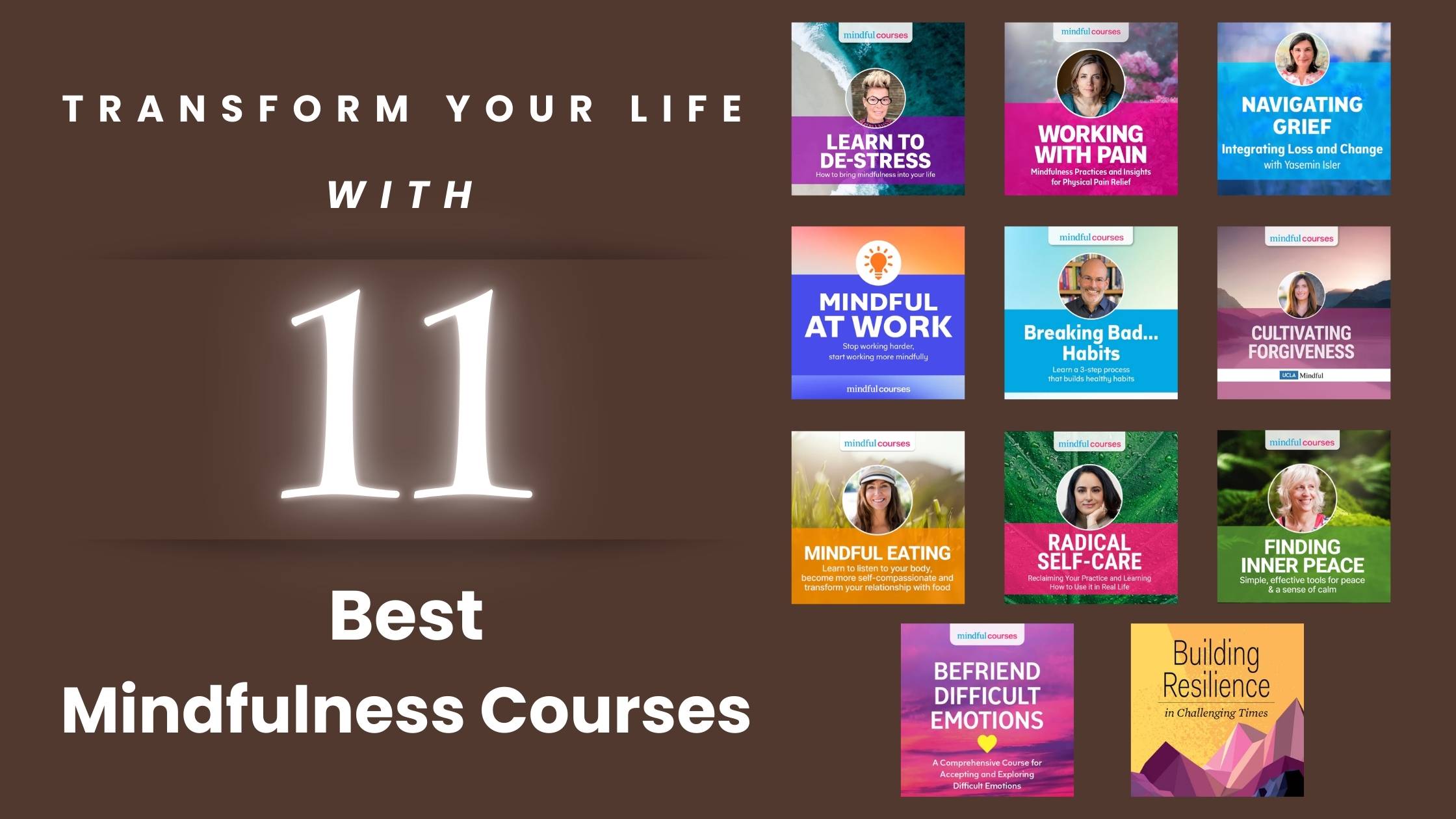
Hope you found the post helpful! If you’re looking to deepen your mindfulness and meditation practice, here are a few programs I think you’ll really benefit from. Take a look to see how they can support your journey.