
Did you know that over 200 million people worldwide practice meditation today? With so many ways to meditate, it’s no surprise that beginners often feel unsure about where to start. There are different types of meditation, and each one offers unique benefits, whether it’s calming the mind, building compassion, or deepening self-awareness. Interestingly, the style you’re most drawn to can also reveal a lot about your personality and what you value in life.
In this post, we’ll explore 7 popular types of meditation and uncover what they say about you, so you can find the practice that truly fits your journey.
TL;DR – 7 Types of Meditation & What They Say About You
| Types of Meditation | What It Says About You |
|---|---|
| 1. Mindfulness Meditation | Seeker of presence – you value awareness and clarity |
| 2. Transcendental Meditation | Spiritual explorer – you enjoy structure and seek deep peace |
| 3. Zen Meditation (Zazen) | Disciplined minimalist – you prefer simplicity and patience |
| 4. Loving-Kindness Meditation | Compassionate healer – you nurture kindness and connection |
| 5. Mantra Meditation | Focused creator – you use sound and repetition to find calm |
| 6. Body Scan Meditation | Grounded observer – you seek balance and mind-body awareness |
| 7. Chakra Meditation | Energy alchemist – you explore spirituality and inner growth |
Explore each type in detail below to discover which meditation practice resonates most with you.
1. Mindfulness Meditation – The Seeker of Presence
If there’s one type of meditation that has captured the world’s attention, it’s mindfulness. Simple yet powerful, this practice is about training the mind to stay in the here and now.
What it is:
Mindfulness meditation involves paying attention to your thoughts, feelings, and body sensations without trying to change or judge them. Instead of being carried away by worries about the future or regrets from the past, you gently bring your awareness back to the present moment, often by focusing on your breath.
Why it’s popular:
- Easy to begin, no special tools needed
- Can be practiced anywhere, walking, eating, or even during daily chores
- Backed by research: reduces stress, improves focus, and supports emotional balance
What it says about you:
If you feel drawn to mindfulness meditation, it may mean you value self-awareness and want to live with more clarity and calm. You might prefer practical tools over rituals and want to create a better relationship with your thoughts and emotions. In short, you’re a seeker of presence, someone who wishes to live each day more fully.
2. Transcendental Meditation – The Spiritual Explorer
Unlike mindfulness, which focuses on awareness of the present, Transcendental Meditation (TM) takes you inward to a state of deep rest and quiet awareness. It’s one of the most widely practiced forms of meditation in the world.
What it is:
Transcendental Meditation is practiced by silently repeating a mantra, a special word or sound, given by a trained teacher. It’s usually done for 20 minutes, twice a day, while sitting comfortably with eyes closed. The mantra helps the mind settle, allowing you to go beyond ordinary thinking into a calmer, more restful state.
Why it’s popular:
- Endorsed by well-known figures like The Beatles and Oprah Winfrey, which sparked global interest
- Backed by scientific studies showing benefits for stress, anxiety, and heart health
- Provides a structured practice that feels clear and easy to follow once learned
What it says about you:
If you’re drawn to Transcendental Meditation, it might mean you enjoy structure and guidance in your personal growth. You may be curious about deeper states of consciousness and open to exploring spirituality beyond the surface. This practice often appeals to those who seek a balance of science and spirituality, making you a spiritual explorer at heart.

If Transcendental Meditation (TM) caught your eye, there’s more to explore beneath the surface, including how a secret mantra and a surprisingly simple technique can guide you into deep states of rest.
Uncover the story and science behind TM and how to get started
3. Zen Meditation (Zazen) – The Disciplined Minimalist
Zen meditation, also known as Zazen, comes from Buddhist tradition and focuses on discipline, posture, and simplicity. It’s less about techniques and more about simply sitting with awareness.
What it is:
In Zen meditation, you usually sit on a cushion with your back straight, hands placed in a specific mudra, and attention resting on the breath. Sometimes the focus is on simply “just sitting” (known as shikantaza), where you observe without trying to control your thoughts.
Why it’s popular:
- Deeply rooted in Buddhist philosophy, offering both practice and a way of life
- Encourages discipline, patience, and inner clarity
- Appeals to people who want meditation to be simple, without many steps or rituals
What it says about you:
If Zen meditation feels natural to you, it may mean you’re someone who values simplicity and structure in life. You likely prefer a minimalist approach, cutting away distractions to focus on what really matters. You’re disciplined, patient, and open to experiencing life in its purest form. That makes you a true disciplined minimalist, finding freedom in simplicity.
4. Loving-Kindness Meditation (Metta) – The Compassionate Healer
If you’re looking for a practice that warms the heart, Loving-Kindness Meditation, also known as Metta, might be the one. This practice is all about sending goodwill and compassion to yourself and others.
What it is:
Loving-Kindness Meditation involves silently repeating phrases like “May I be happy, may I be healthy, may I live with ease.” After starting with yourself, you extend these wishes to loved ones, acquaintances, and even people you may struggle with. The goal is to grow kindness and reduce feelings of anger or resentment.
Why it’s popular:
- Helps release negative emotions and improve emotional well-being
- Encourages forgiveness, empathy, and a sense of connection
- Often used in therapy to support healing from stress, trauma, or loneliness
What it says about you:
If you’re drawn to Loving-Kindness Meditation, it suggests you value connection, compassion, and healing. You may be someone who wants to nurture positive relationships and bring more love into your life and the lives of others. This makes you a compassionate healer, using kindness as a way to create peace within and around you.
What if your deepest fears and frustrations held the key to boundless compassion?

Pema Chödrön’s online program, The Freedom to Love, offers a gentle yet powerful path through the challenges of the heart, with practices rooted in Loving-Kindness, joy, and emotional healing.
Discover how this course can help you open your heart and transform your pain
5. Mantra Meditation – The Focused Creator
For those who like rhythm and repetition, Mantra Meditation offers a powerful way to focus the mind. This practice uses sound or words to create calmness and clarity.
What it is:
In Mantra Meditation, you repeat a word, phrase, or sound, either out loud or silently in your mind. Common examples include traditional Sanskrit mantras like “Om” or simple affirmations such as “I am calm.” The repetition helps quiet the mind and deepen concentration.
Why it’s popular:
- Easy to learn and practice anywhere
- Helps reduce distractions by giving the mind a clear point of focus
- Used in many traditions, from Hinduism and Buddhism to modern mindfulness practices
What it says about you:
If you feel connected to Mantra Meditation, it may mean you value focus, creativity, and ritual. You likely enjoy having a tool that gives structure to your practice while still leaving space for personal meaning. You are a focused creator, someone who can turn simple words or sounds into a pathway for peace and transformation.
6. Body Scan Meditation – The Grounded Observer
If stress often shows up in your body as tension or restlessness, Body Scan Meditation is a gentle way to reconnect with yourself and release what you’re holding on to.
What it is:
Body Scan Meditation involves moving your attention slowly through different parts of your body, from head to toe. As you notice each area, you observe any sensations, like warmth, tightness, or relaxation, without trying to change them. This simple awareness often helps the body naturally soften and relax.
Why it’s popular:
- Excellent for stress relief and relaxation
- Commonly used in mindfulness-based therapies for anxiety and sleep issues
- Helps you build a stronger connection between your mind and body
What it says about you:
If you enjoy Body Scan Meditation, it may mean you value calm, balance, and awareness of your body. You might be someone who seeks grounding, prefers practical tools for stress, and wants to live with more ease. This makes you a grounded observer, tuning into your body’s signals and caring for yourself with awareness.
7. Chakra Meditation – The Energy Alchemist
For those interested in both mindfulness and spiritual growth, Chakra Meditation offers a way to explore the flow of energy within the body. It connects awareness with visualization and inner healing.
What it is:
Chakra Meditation focuses on the body’s seven main energy centers, or “chakras,” which run from the base of the spine to the crown of the head. During practice, you may use visualization, breathing techniques, or specific sounds to balance these centers. Each chakra is linked to different aspects of life, such as confidence, love, or intuition.
Why it’s popular:
- Appeals to people exploring energy healing and spirituality
- Helps with emotional release and self-discovery
- Encourages balance between body, mind, and spirit
What it says about you:
If you feel drawn to Chakra Meditation, it may mean you’re open to inner exploration and spiritual growth. You likely have an interest in energy, healing, and discovering deeper layers of yourself. This makes you an energy alchemist, someone who transforms their inner world by working with balance and flow.
Final Thoughts
Meditation isn’t a one-size-fits-all practice. As you’ve seen, there are many types of meditation, each with its own style, benefits, and deeper meaning. From mindfulness to mantras, Zen to chakras, the practice you connect with most can reveal what you value, whether it’s presence, compassion, discipline, or spiritual growth.
The best way to find your fit is simple: try a few different styles and notice how you feel. Some people discover peace in silence, while others thrive with sound, energy work, or guided practices. There’s no right or wrong choice, just the practice that supports you best.
Whichever path you choose, remember that meditation is about progress, not perfection. Start where you are, stay consistent, and allow the practice to gently shape your mind and life.
Where to go next on your meditation journey?
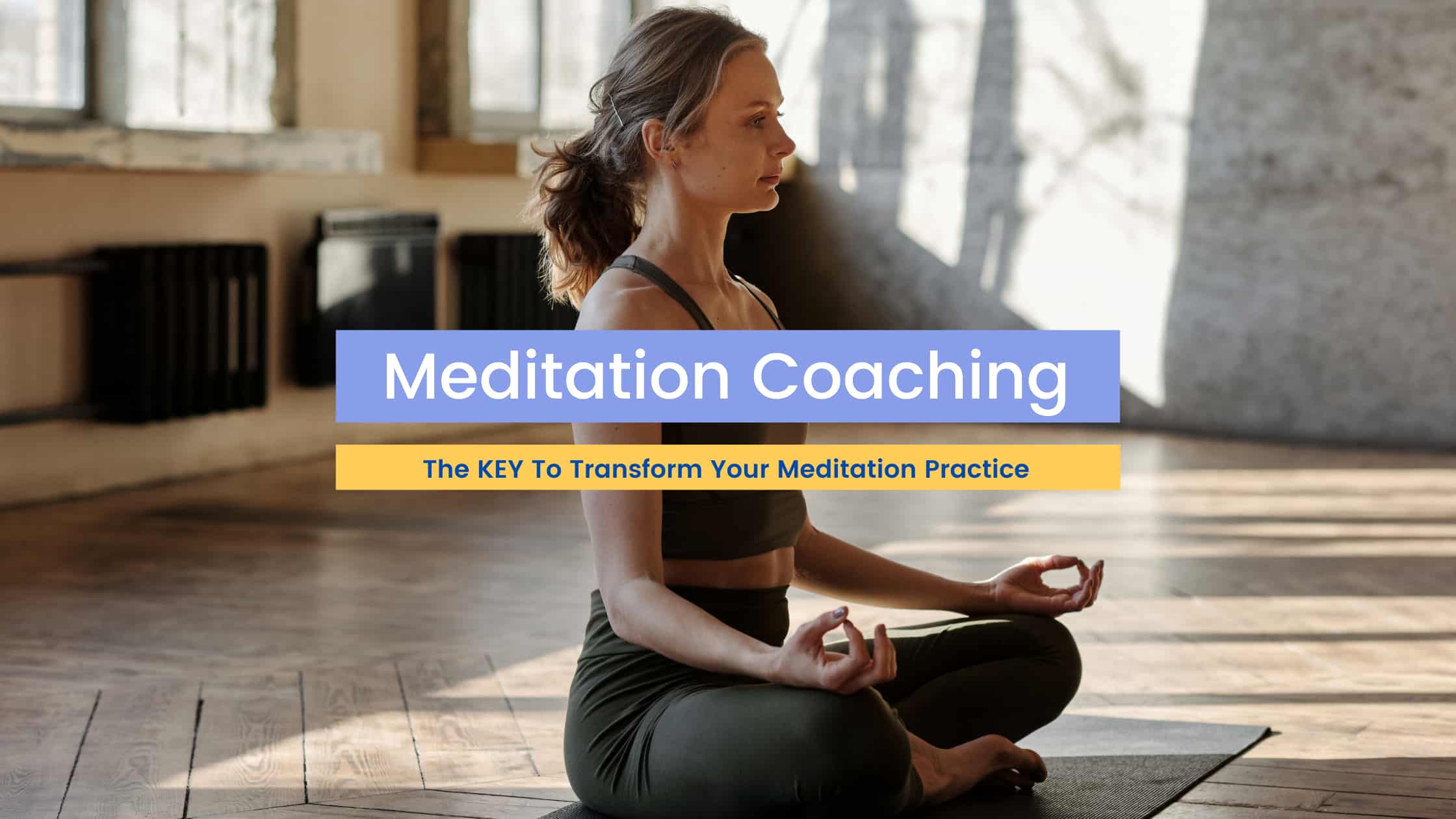
Exploring different types of meditation is a great starting point, but lasting transformation often begins with support.
If you’ve felt stuck or unsure what style suits you, you don’t have to figure it out alone.
Learn how a meditation coach can transform your practice and meet one of the best I’ve found.
