
How to meditate may sound simple, just sit quietly and focus on your breath. But the moment you actually try it, something surprising happens: your mind won’t stop running. Instead of peace and stillness, you’re flooded with thoughts like “Am I doing this right?” or “Why can’t I focus?”
The truth is, these thoughts are completely normal. In fact, almost everyone has them during meditation (even if they don’t admit it). The good news? Struggling with thoughts doesn’t mean you’re a “bad meditator.” It simply means you’re human, and you’re learning.
In this post, we’ll explore 9 common thoughts people experience while meditating and more importantly, how to handle them. By the end, you’ll see that meditation isn’t about having a perfectly quiet mind, but about learning how to notice your thoughts and gently return to the present moment.
1. Am I Doing This Right?
This is probably the most common thought people have when they first sit down to meditate. The quiet can feel strange, and the mind quickly questions whether you’re “doing it wrong.”
Here’s the truth: meditation doesn’t have a single “right way.”
- Some days your mind feels calm.
- Other days it feels busy and restless.
- Both are completely normal.
What matters is noticing where your mind goes and gently bringing it back to your anchor (breath, body, or mantra).
Remember: The very fact that you’re asking “Am I doing this right?” means you’re paying attention. And that awareness itself is meditation.
Practical tip: The next time this doubt appears, take a slow breath and return your focus. Meditation is less about getting it right and more about simply showing up and practicing.
2. Why Can’t I Stop Thinking?
The moment you sit down to meditate, it can feel like your brain goes into overdrive. Thoughts about work, chores, or random memories keep popping up, and you may wonder if you’re failing at meditation.
Here’s the truth: the mind’s natural job is to think. Meditation isn’t about shutting off thoughts completely (that would be impossible). Instead, it’s about learning how to notice those thoughts without getting carried away by them.
What to do when this happens:
- Notice the thought. Simply recognize, “Oh, I’m thinking.”
- Label it gently. You can even use a simple word like “thinking” or “planning.”
- Return to your anchor. Shift your attention back to the breath, body, or mantra.
Over time, this practice helps you see that thoughts are just passing events, not something you need to fight or control.
Practical tip: Instead of trying to “stop thinking,” aim to “notice thinking.” This small shift makes meditation feel much less frustrating and much more doable.
3. I Should Feel Calm By Now
Many people expect meditation to bring instant peace. So when the mind still feels busy after a few minutes, it’s easy to think something is wrong.
Here’s the truth: meditation isn’t about forcing yourself to feel calm. It’s about practicing awareness. Sometimes you will feel relaxed, and other times your mind may stay restless. Both are part of the process.
What usually happens:
- We expect calmness right away.
- When it doesn’t show up, we feel frustrated.
- That frustration becomes another distraction.
A better way to think about it:
- Focus on the process (noticing your breath, thoughts, and sensations).
- Let go of the outcome (expecting calm or bliss).
- Trust that calmness grows naturally over time with practice.
Practical tip: If you catch yourself thinking, “I should feel calm by now,” take a gentle breath and remind yourself: “My job is to notice, not to force.” Calmness is a side effect, not the goal.
4. My Back/Legs Hurt – Why is Sitting so Uncomfortable?
It doesn’t take long before the body starts complaining during meditation. Aching knees, a stiff back, or tingling legs can make you wonder if you’re doing something wrong.
Here’s the truth: some discomfort is normal, especially when you’re new to sitting still. Your body simply isn’t used to staying in one position for so long.
Why this happens:
- Muscles and joints aren’t yet trained for stillness.
- Many people think meditation means sitting in a “perfect” cross-legged pose.
- Tension builds when we try too hard to sit completely still.
What you can do:
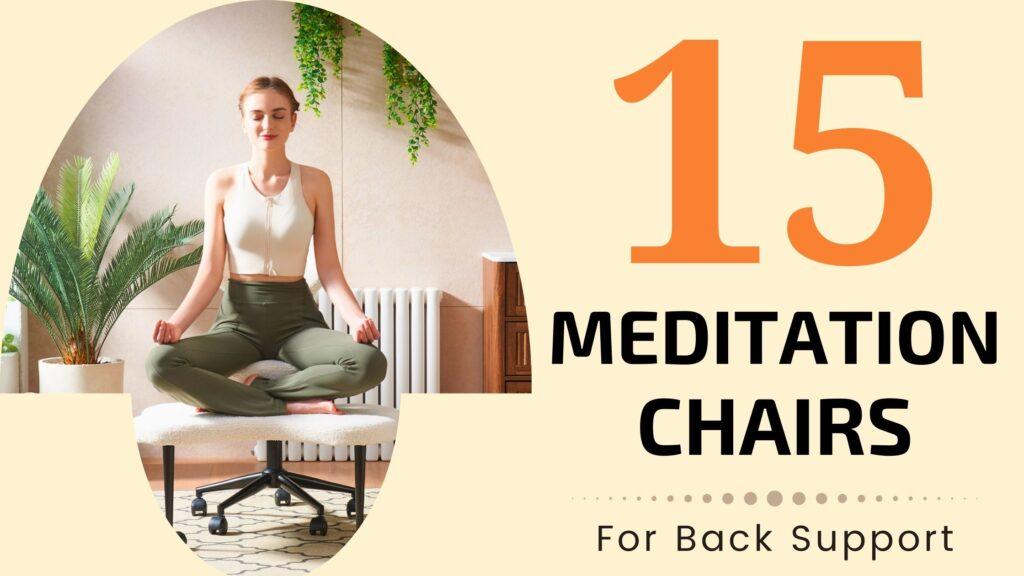
- Adjust your posture. Sit on a cushion, folded blanket, or even a chair. Elevating the hips above the knees often reduces strain.
- Use support. A meditation bench or backrest can help keep the spine comfortable.
- Check in with the body. A short body scan before or during practice can ease tension.
Practical tip: Comfort matters more than looking like a “perfect meditator.” Choose a position that lets you stay present rather than distracted by pain.
Need Extra Comfort for Your Practice?
If you’re struggling with discomfort during meditation, finding the right support can make all the difference. Check out these helpful guides

5. I’m Bored. This is Taking Forever
After a few minutes of sitting, you may feel restless and think, “This is so boring.” The silence can feel heavy, and time seems to move very slowly.
Here’s the truth: boredom is just another thought. It often shows up because the mind is used to constant stimulation, phones, conversations, or tasks. When you slow down, the mind resists.
Why boredom happens in meditation:
- The mind craves activity and entertainment.
- Silence feels unusual, even uncomfortable.
- We expect something “exciting” to happen.
How to work with boredom:
- Notice it. Instead of judging it, see boredom as part of the practice.
- Get curious. Ask yourself: “What does boredom feel like in my body?” You may notice restlessness, tension, or a desire to move.
- Shift your focus. Pay attention to your breath, sounds around you, or sensations in the body.
Practical tip: Boredom is actually a sign you’re slowing down. Instead of pushing it away, explore it gently, you may discover calm hiding behind it.
6. What’s for Dinner? (Random Daily Life Thoughts)
You sit down to meditate, and suddenly your mind jumps to groceries, emails, or what you’ll eat later. These everyday thoughts can feel distracting and even silly during meditation.
Here’s the truth: it’s completely normal. The brain doesn’t stop producing thoughts just because you’re sitting quietly. In fact, when you finally slow down, all the little “to-do list” items rise to the surface.
Why this happens:
- The mind is used to planning and problem-solving.
- Slowing down gives space for random thoughts to appear.
- You may notice more thoughts simply because you’re paying closer attention.
How to handle it:
- Acknowledge the thought. Notice it without judgment, even if it feels trivial.
- Smile at it. Treat it lightly instead of getting frustrated.
- Come back to your anchor. Gently return to your breath, mantra, or body sensations.
Practical tip: When a thought like “What’s for dinner?” comes up, imagine placing it on a cloud and letting it drift away. This keeps the practice gentle and playful.
7. Other People Must Be Better at This Than Me
It’s easy to imagine that everyone else who meditates is calm, peaceful, and free from distractions, while you’re the only one struggling.
Here’s the truth: everyone faces challenges in meditation. Even experienced meditators have wandering thoughts, restless bodies, or moments of doubt. The difference is they’ve learned not to judge themselves for it.
Why this thought shows up:
- We compare our private struggles with other people’s “highlight reel.”
- Social media or group settings can make meditation look effortless.
- Self-doubt is a natural part of learning something new.
How to work with it:
- Remember it’s not a competition. Meditation is a personal practice, not a race.
- Focus on your own journey. Each session builds awareness, no matter how it feels.
- Practice self-kindness. Instead of, “I’m bad at this,” try, “This is part of learning.”
Practical tip: The next time you think others are “better” at meditating, remind yourself that every person, no matter their experience, sits with the same wandering mind. What matters is that you’re showing up.
8. I Think I’m Finally Doing It – Wait, Did I Just Ruin It?
Sometimes during meditation, you get a brief moment of calm and think, “Yes, this is it!” But the very next second, the thought itself seems to break the calm.
Here’s the truth: noticing that calm moment doesn’t ruin it, it’s actually a sign of progress. It shows that your awareness is growing.
Why this happens:
- The mind wants to “measure” success.
- We get excited when things finally feel quiet.
- That excitement pulls us out of the present moment.
How to work with it:
- Don’t chase the calm. Let it come and go naturally.
- Stay gentle. If you lose focus, simply return to your breath.
- See it as a win. Catching yourself is proof that your awareness is working.
Practical tip: If you think, “I just ruined it,” smile and reset. Meditation isn’t about holding on to perfect moments, it’s about noticing whatever shows up, then returning again and again.
9. Maybe I’m Just Not Cut Out for Meditation
After struggling with busy thoughts, restlessness, or doubt, you may feel like meditation just isn’t for you. This can be one of the most discouraging thoughts of all.
Here’s the truth: meditation is for everyone. There’s no special skill or talent required. Struggling in meditation doesn’t mean you’re failing, it means you’re practicing. Every time you notice a thought and return to your focus, you’re training the mind.
Why this thought shows up:
- You expect quick results and feel let down when it doesn’t happen.
- The mind resists stillness and tries to talk you out of it.
- Self-doubt makes it easy to give up too soon.
How to work with it:
- Start small. Even 3–5 minutes a day can build the habit.
- Lower the pressure. It’s okay if the mind wanders, it’s part of the practice.
- Remember the bigger picture. Benefits of meditation grow slowly, like exercise for the mind.
Practical tip: When you think, “I’m not cut out for this,” remind yourself: “Meditation isn’t about being perfect, it’s about showing up.” Each sit, no matter how messy it feels, is progress.
Final Thoughts
Learning how to meditate isn’t about forcing the mind to go silent or sitting perfectly still. It’s about noticing what shows up, whether it’s doubt, boredom, random thoughts, or even self-criticism, and gently returning to the present moment.
The 9 thoughts we covered are ones almost everyone experiences. Having them doesn’t mean you’re “bad” at meditating; it simply means you’re human. Each time you notice a thought and bring your focus back, you’re strengthening your practice.
Remember: meditation is less about reaching instant calm and more about building awareness over time. Start small, be kind to yourself, and trust that every session, no matter how messy it feels, is moving you forward.
Key takeaway: The goal isn’t to stop thoughts, but to change your relationship with them. That’s where the real benefits of meditation begin.
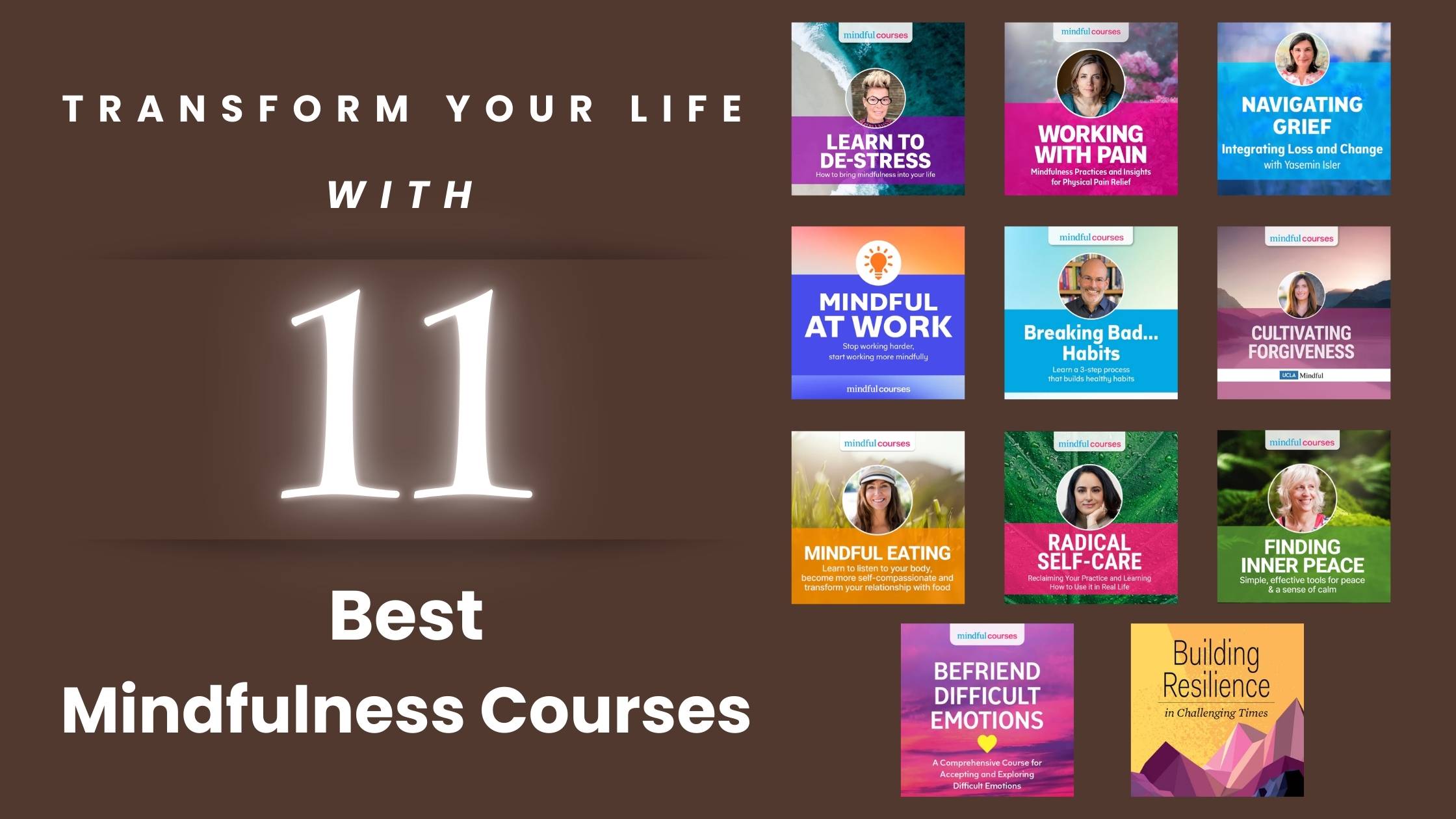
Hope you found this post useful! Want to take your meditation practice further? I have got some fantastic programs that could be just what you need.