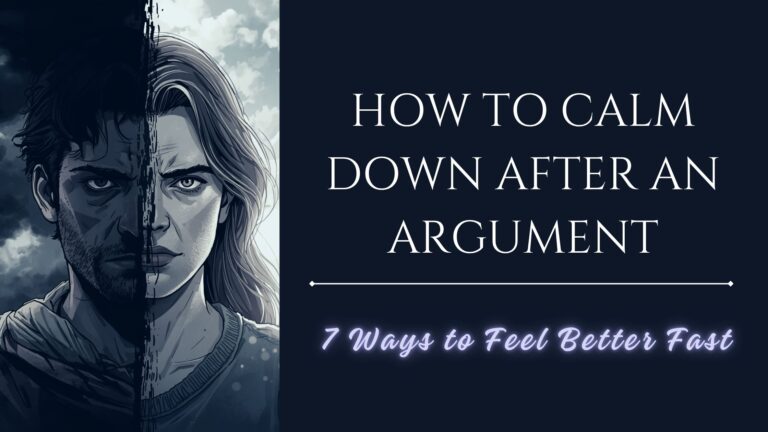
Right after an argument, I don’t feel calm, I feel wired. My mind keeps replaying every word, my body feels tense, and part of me wants to react again even if I know it won’t help. If you’re here looking for how to calm down after an argument, I get it, this is exactly the moment when everything feels too intense to handle. And from my experience, this isn’t the time for long or complicated meditation. What actually helps is something simple, quick, and doable right when your emotions are still high and that’s exactly what I want to share with you here.
Before You Try Anything, Do This 30-Second Reset
Before I try to “meditate” after an argument, I do this first.
Because honestly, when I’m triggered, even simple meditation can feel like too much.
So instead of forcing myself to calm down, I start with a quick reset to slow my body down first.
Here’s exactly what I do:
- I pause whatever I’m doing
- I place one hand on my chest (or just sit still)
- Then I take slow, controlled breaths
The only thing I focus on:
- Inhale through the nose (about 4 seconds)
- Exhale slowly through the mouth (about 6 seconds)
I make the exhale longer than the inhale
I repeat this for just 30–60 seconds
That’s it.
No pressure to “feel calm.”
No need to stop my thoughts.
Why this works (in simple terms):
- A longer exhale tells my body: “You’re safe.”
- My heart rate starts to slow down
- The emotional intensity drops, even if just a little
What I’ve noticed:
After this, I’m not perfectly calm.
But I’m:
- less reactive
- less overwhelmed
- and more ready to try something deeper (like the meditations below)
If you’re still feeling intense, don’t skip this step.
This is the foundation.
1. When Your Mind Keeps Replaying the Argument
This is the part I struggle with the most.
I keep going over what they said… what I said… what I should have said.
It plays on a loop, and no matter how much I try to stop it, it just keeps coming back.
Instead of trying to “shut it off,” I do this:
What I do instead:
I gently shift from thinking → observing
- I sit still (or stay where I am)
- I take a slow breath
- And I start noticing my thoughts instead of engaging with them
Here’s how I do it:
Every time a thought comes up, I mentally say:
- “Thinking…”
- or “Replaying…”
That’s it.
I don’t argue with the thought.
I don’t try to fix it.
I just label it and let it pass.
If it keeps coming back (which it will):
I don’t get frustrated.
I just repeat:
- “Thinking…”
- “Replaying…”
Over and over, as many times as needed
Why this helps me:
- It creates a small gap between me and my thoughts
- The loop starts to lose its intensity
- I feel less pulled into the argument in my head
What I’ve noticed:
The thoughts don’t disappear instantly.
But they:
- slow down
- feel less heavy
- and stop controlling my mood as much
When my mind is stuck in a loop, I don’t try to force calm.
I just stop feeding the loop.
And this simple shift makes a bigger difference than I expect.
2. When Your Heart is Racing & Your Body Feels Tense
Sometimes it’s not even the thoughts, it’s my body.
My heart is beating fast.
My chest feels tight.
My shoulders are stiff without me even realizing it.
In those moments, I don’t try to “think my way out of it.”
I work with my body first.
What I do instead:
I use a simple tension-release practice
Because when my body relaxes, my mind naturally starts to follow.
Here’s how I do it:
- I take a slow breath in
- Then I gently tighten my shoulders (not too hard)
- I hold that tension for 3–4 seconds
Then:
- I exhale slowly
- And completely release the tension
I repeat this with different parts of my body:
- Shoulders
- Jaw
- Hands (clench → release)
- Even my legs if I’m sitting
Tighten → hold → release
The key is this:
- I notice the contrast between tension and relaxation
- I let the exhale do the work
Why this helps me:
- It releases built-up physical stress
- My body starts to feel lighter and less “on edge”
- My breathing naturally slows down
What I’ve noticed:
After doing this for even a minute:
- My heart rate begins to settle
- The tightness in my body reduces
- I feel more in control physically
When my body is tense, I don’t ignore it.
I release it, one small step at a time.
And that shift alone makes it easier to calm everything else down.
Feeling overwhelmed, distracted, or just can’t seem to sit still? What if the key to mental clarity isn’t about trying harder, but trying differently? From monk-inspired secrets to practical techniques that actually work (even if you’re restless), these insights might change how you see meditation altogether. Dive in and explore & what clicks for you.

3. When You Feel Angry & Reactive
This is the moment where I’m most likely to make things worse.
I feel a surge of anger.
I want to say something back.
I feel the urge to react right now.
And if I’m honest, this is where I’ve made the most mistakes.
So instead of reacting, I do this:
What I do instead:
I create a pause between the feeling and my reaction
Not by suppressing the anger…
But by slowing it down physically
Here’s how I do it:
- I take a slow breath in
- Then I exhale as slowly as I can
And during the exhale, I silently say:
- “Slow down…”
I repeat this for a minute or two:
- Inhale normally
- Long, slow exhale
- “Slow down…”
That’s all I focus on
If the urge to react is still strong:
I add one more step:
- I tell myself:
“I don’t need to respond right now.”
Why this helps me:
- Anger pushes me to act fast
- This practice does the opposite, it slows everything down
- It gives me a moment to choose instead of react
What I’ve noticed:
The anger doesn’t disappear instantly.
But:
- it softens
- the urgency reduces
- and I feel less controlled by it
When I’m angry, I don’t try to “be calm” right away.
I just stop myself from reacting immediately.
And that one pause changes everything.
4. When You Feel Hurt or Emotionally Heavy
Sometimes it’s not anger, it’s something quieter.
I feel hurt.
A bit low.
Like there’s a weight sitting in my chest that I can’t shake off.
In those moments, I don’t try to “fix” the feeling.
I let myself feel it, gently.
What I do instead:
I use a simple hand-on-chest breathing practice
Not to remove the emotion,
but to support myself while I’m feeling it.
Here’s how I do it:
- I place one hand on my chest
- I take a slow, natural breath
- And I bring my attention to the feeling under my hand
Then I silently say:
- “This is hard…”
- or
- “It’s okay to feel this…”
Just simple, kind words
I stay with this for a minute or two:
- Breathing slowly
- Feeling the rise and fall of my chest
- Letting the emotion be there without pushing it away
The key is this:
- I’m not analyzing the situation
- I’m not replaying the argument
- I’m just sitting with the feeling, without resistance
Why this helps me:
- It softens the emotional weight
- I feel less alone in what I’m experiencing
- The intensity becomes more manageable
What I’ve noticed:
The heaviness doesn’t disappear instantly.
But:
- it loosens
- it feels less overwhelming
- and I start to feel a bit more grounded
When I feel hurt, I don’t rush to move on.
I give myself a moment of support instead.
And that small shift makes it easier to process everything that follows.
5. When You Want to Text or React Immediately
This is a big one for me.
Right after an argument, I feel the urge to send a message, explain myself, or say one more thing to prove my point. It feels urgent, like I need to respond right now.
But I’ve learned this the hard way:
Reacting in this state usually makes things worse.
So instead of reaching for my phone, I do this:
What I do instead:
I create a 60-second pause before any response
Not forever.
Just long enough to cool down the impulse.
Here’s how I do it:
- I put my phone down (or hold it without typing)
- I take a slow breath in
- Then I exhale slowly
And I ask myself:
- “Will this help… or escalate things?”
Then I do this simple practice:
- I breathe in
- On the exhale, I silently say:
“Not now…”
I repeat this for about a minute:
- Inhale
- Slow exhale
- “Not now…”
That’s it
If the urge is still strong:
I give myself one clear rule:
- I can respond later, but not in this state
Why this helps me:
- It breaks the automatic reaction cycle
- It gives my emotions time to settle
- It helps me respond more thoughtfully later
What I’ve noticed:
After a minute or two:
- the urgency fades
- the message I wanted to send changes
- sometimes, I don’t even feel the need to send it anymore
When I feel that strong urge to react, I don’t trust it immediately.
I pause first.
And that pause has saved me from saying things I’d regret later.
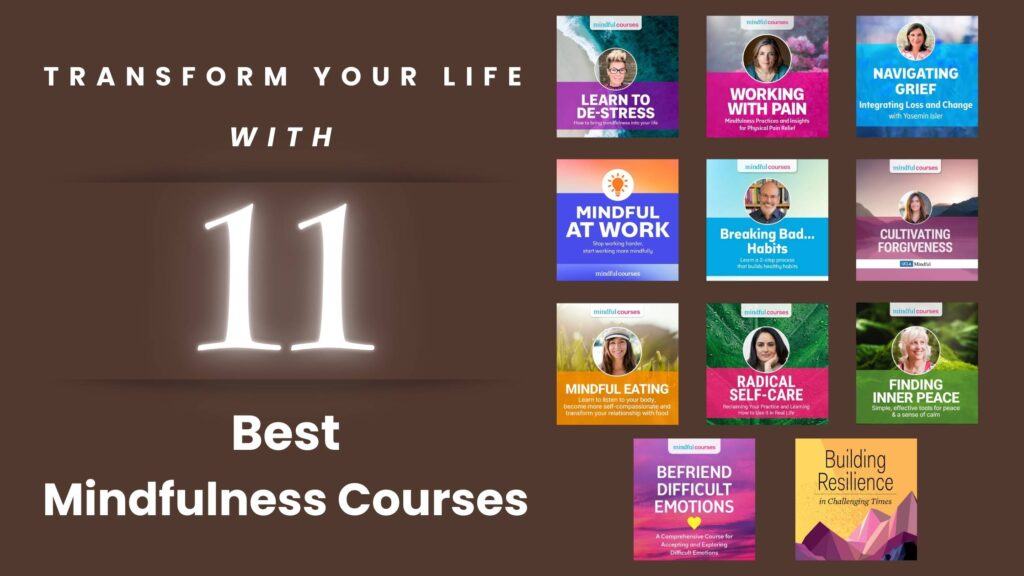
Stress piling up? Anxiety creeping in? Or still working through something deeper? What if the right kind of meditation could actually help you navigate it all, step by step? From stress relief to trauma healing and calming anxiety, these carefully chosen courses might be exactly what you didn’t know you needed. Want to find the one that truly supports you? Take a closer look.

6. When You Can’t Stop Overthinking What You Said
This one lingers.
I start replaying my part of the argument-
what I said, how I said it, what I should have said differently.
And the more I think about it, the worse it feels.
Instead of getting stuck in that loop, I do this:
What I do instead:
I shift from judging → noticing
Not to figure everything out,
but to step out of the mental spiral
Here’s how I do it:
- I pause for a moment
- I take a slow breath
- And I bring my attention to my surroundings
Then I use this simple grounding practice:
I gently notice:
- 5 things I can see
- 4 things I can feel (like my clothes, the chair, my hands)
- 3 things I can hear
I take my time with each one
The key is this:
- I’m not trying to solve the argument
- I’m not analyzing what happened
- I’m just bringing my mind back to the present moment
Why this helps me:
- Overthinking pulls me into the past
- This brings me back to what’s happening right now
- It interrupts the mental loop
What I’ve noticed:
After doing this:
- the overthinking slows down
- I feel more grounded
- and the situation feels a little less intense
When I catch myself overanalyzing everything I said, I don’t go deeper into it.
I come back to the present.
And that shift helps me regain some mental space.
7. When You Want to Calm Down Before Talking Again
Sometimes I know I need to talk again, but not like this.
I don’t want to carry the same tone, the same tension, the same energy back into the conversation.
Because if I do, it usually turns into another argument.
So before I go back, I do this:
What I do instead:
I take a minute to reset my intention
Not to win the argument…
but to communicate more calmly
Here’s how I do it:
- I sit quietly for a moment
- I take a slow breath in
- Then I exhale slowly
And I ask myself:
- “What do I actually want from this conversation?”
Then I keep it simple:
I choose one clear intention, like:
- “I want to be understood.”
- “I want to listen better.”
- “I want to stay calm.”
Just one, not everything at once
I stay with this for a minute:
- Breathing slowly
- Repeating that intention in my mind
- Letting my body settle a bit more
The key is this:
- I’m not rehearsing what to say
- I’m not replaying the argument
- I’m just grounding myself before I re-engage
Why this helps me:
- It shifts me out of reaction mode
- It brings clarity to how I want to show up
- It reduces the chances of the conversation escalating again
What I’ve noticed:
When I go back after this:
- I speak more calmly
- I listen a bit better
- and the conversation feels less intense
Before going back into a difficult conversation, I don’t rush.
I reset how I want to show up first.
And that small step often changes how the entire conversation unfolds.
You “Don’t Need to Do All 7 Practices” Discussed Above
I don’t go through all seven of these every time.
And you don’t need to either.
What I’ve learned:
In moments like this, less is more
When I’m overwhelmed, trying to do too much just makes it worse.
So instead, I keep it simple.
Here’s how I approach it:
- I pause for a moment
- I ask myself:
“What am I feeling right now?”
Then I pick just one practice that matches that feeling.
For example:
- Mind racing → I choose the thought labeling practice
- Body tense → I do the tension-release
- Urge to react → I use the pause + breathe
Just one is enough
The goal isn’t perfection
I’m not trying to:
- do every technique
- feel completely calm
- or “fix” everything instantly
The real goal is this:
Create a small shift
- from reactive → a little more aware
- from overwhelmed → a little more steady
What I’ve noticed:
Even a minute or two of the right practice:
- takes the edge off
- gives me a bit of space
- and helps me respond more thoughtfully
You don’t need a perfect routine here.
You just need one small step that helps you feel a little more grounded.
And that’s more than enough.
Not sure where to begin with meditation or wondering how to take it to the next level? Whether you’re just starting out, seeking spiritual growth, or looking to build confidence, sharpen focus, and truly transform your day-to-day life, there’s something here for you. These handpicked courses are designed for every stage of the journey. Dive in and find out.