
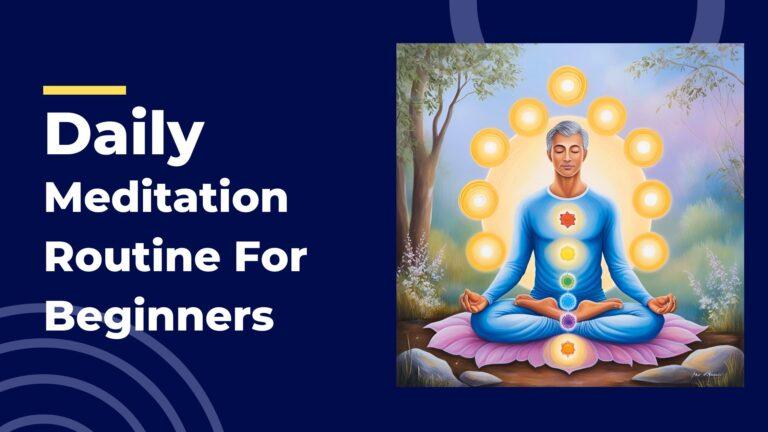
What if just a few minutes a day could help you feel calmer, more focused, and less stressed? A daily meditation routine for beginners is one of the simplest ways to start building these powerful habits into your life.
Yet, getting started can feel confusing. How long should you meditate? What’s the right way to do it? In this post, you’ll learn exactly how to set up a simple, beginner-friendly meditation routine. We’ll cover how to prepare, a step-by-step daily plan you can follow, tips to stay consistent, and how to overcome common beginner challenges, so you can start feeling the benefits right away.
How to Prepare for Your Daily Practice
Before you jump into meditation, it’s important to set yourself up for success. A few small preparations can make your daily meditation routine feel easier and more enjoyable.
Choose a Specific Time Each Day
- Pick a time when you’re least likely to be interrupted.
- For many people, mornings work best because the mind is fresh and the day hasn’t gotten busy yet.
- If mornings are hard, choose another time, like during a lunch break or before bed.
- Try to link your meditation to an existing habit, like meditating right after brushing your teeth. This makes it easier to remember.
Find a Quiet, Comfortable Spot
- Choose a place where you feel calm and safe. It doesn’t have to be perfect.
- Even a corner of your bedroom or a spot by a window will do.
- The most important thing is that you won’t be disturbed for a few minutes.
Use Simple Props if Needed
- You don’t need fancy equipment to meditate. If sitting on the floor feels uncomfortable, use a chair.
- You can place a cushion behind your lower back for extra support, or a blanket over your knees if you feel cold.
- Comfort helps you focus better during your practice.
Keep Your Expectations Light
- Many beginners think they have to “clear the mind” perfectly.
- But meditation isn’t about stopping all thoughts, it’s about noticing when your mind wanders and gently coming back.
- Let go of any pressure to have a perfect session. Every time you sit down to practice, you are already succeeding.
Daily Meditation Routine (Step-by-Step)
Now that you’re prepared, it’s time to start meditating. Here’s a simple routine that you can follow each day. It’s designed to be easy, even if you’ve never meditated before.
Start Small: 5 Minutes a Day
- Begin with just 5 minutes.
- Starting small helps you build a habit without feeling overwhelmed.
- You can always add more time later as you get more comfortable.
Set a Timer
- Use a gentle timer on your mobile.
- Setting a timer lets you relax, knowing you won’t need to check the clock.
- Choose a soft sound that won’t startle you when the time is up.
Basic Posture Setup
- Sit in a way that feels steady and relaxed.
- You can sit on a chair with your feet flat on the floor or you can sit on a cushion with your legs crossed if that’s comfortable.
- Keep your back upright but not stiff. Rest your hands on your knees or in your lap.
- Close your eyes, or lower your gaze softly to the ground.
Focus on the Breath
- Turn your attention to your breathing. Notice the feeling of the air coming in and going out.
- You don’t have to breathe in any special way, just observe your natural breath.
- If your mind wanders (and it will), gently bring it back to the breath without being hard on yourself.
Closing the Session
- When the timer rings, slowly bring your awareness back to the room.
- Take a deep breath in and a slow breath out. Open your eyes if they were closed.
- Before you move on with your day, take a moment to thank yourself for practicing.
Struggling to make meditation work for you? Check out these related posts to find out why it’s not clicking for you and how you can overcome the common obstacles beginners face.

Common Beginner Challenges (And How to Overcome Them)
It’s normal to face a few challenges when you start meditating. The good news is that every beginner goes through these and there are easy ways to deal with them.
“My mind won’t stop thinking”
- Many people believe that meditation means having no thoughts. But the mind is made to think, it’s natural.
- When you notice your mind wandering, that’s actually a good thing. It means you are aware, and awareness is the real goal of meditation.
- Each time you gently bring your focus back to the breath, you are strengthening your practice.
“I don’t have time”
- Life can be busy, and finding extra time feels hard. But even 2–5 minutes a day can make a difference.
- You can meditate right after waking up, before a meal, or even sitting in your parked car before heading into work.
- Think of meditation as a small gift you give yourself, not another task on your to-do list.
“I don’t feel any different”
- In the beginning, you might not notice big changes. That’s normal.
- Meditation works quietly, and its effects build over time.
- Be patient with yourself. Often, after a few weeks, you’ll notice small shifts, like feeling a little calmer or reacting more gently to stress.
“I get uncomfortable sitting”
- If sitting still feels painful, it’s okay to adjust. You can sit on a chair instead of the floor. Place a cushion under you or behind your back for support.
- You can even lie down if needed, just try not to fall asleep.
- Comfort helps you stay focused during meditation.
Tips to Stay Consistent as a Beginner
Starting a meditation habit is one thing keeping it going is another. Here are some simple tips to help you stay on track and make meditation a natural part of your day.
Anchor It to a Daily Habit
- Connect your meditation to something you already do every day. For example, meditate right after brushing your teeth, making your bed, or having your morning coffee.
- This makes it easier to remember and builds meditation into your routine without much extra effort.
Track Your Practice
- Keep a simple record of your sessions. You can mark an “X” on a calendar or write a quick note in a journal.
- Seeing your progress, even small steps, can be very motivating.
Use Guided Meditations
- If sitting in silence feels hard, try guided meditations. Many websites offer free recordings for beginners.
- A gentle voice leading you can make the experience easier and more comforting.
Be Kind to Yourself
- Some days you might forget to meditate. Some days it might feel hard. That’s okay. The most important thing is to come back the next day.
- Think of meditation like brushing your teeth, if you miss once, you just pick it up again without guilt.
Final Thoughts
Building a daily meditation routine for beginners doesn’t have to be hard or complicated.
Starting with just a few minutes a day can create real change over time. The key is to stay patient, be kind to yourself, and keep showing up, even when it feels like nothing is happening.
Every time you sit down to meditate, you are training your mind to be calmer, stronger, and more focused. Remember, it’s not about being perfect. It’s about building a habit that supports you, little by little, every day. Take a deep breath, trust the process, and enjoy the journey.
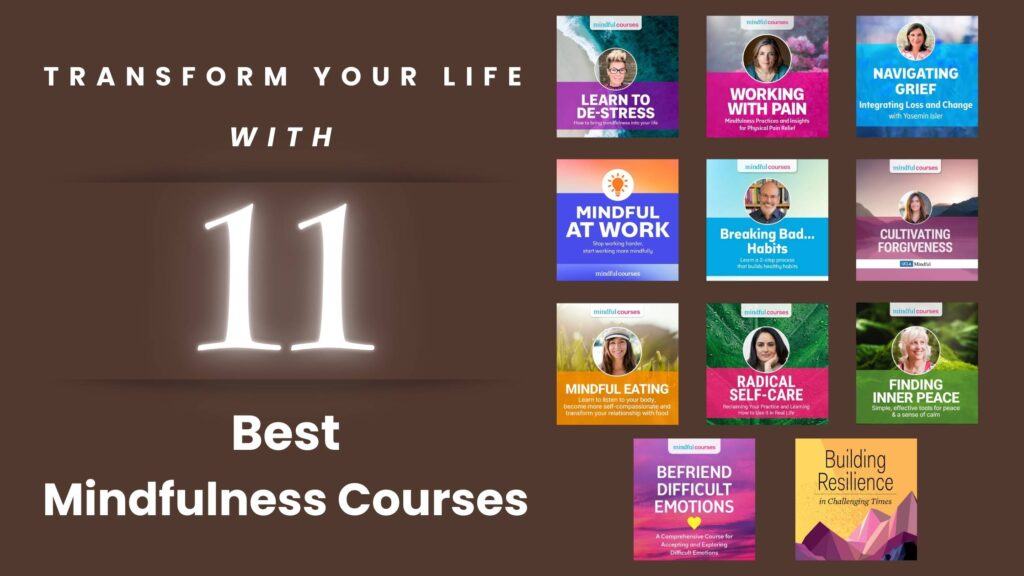
Deepen Your Mindfulness Practice
Explore these top mindfulness courses and find the one that best suits your needs.
Whether you want to reduce stress, build resilience, or cultivate self-compassion, there’s a course for you.
Start your journey today!
