
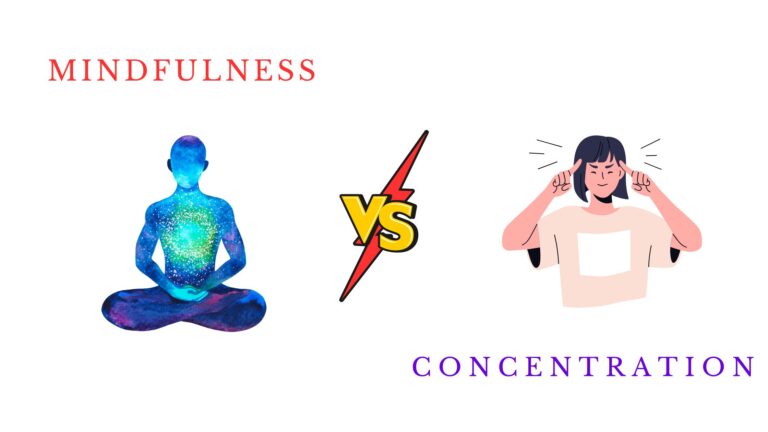
Can you stay fully present in a moment without distraction, or do you often find yourself straining to focus on a single task? Understanding the distinction between mindfulness vs concentration can transform how you approach your daily challenges. While these two concepts are closely related, they serve very different purposes in helping us manage our thoughts, emotions, and actions.
In this post, you’ll discover the key differences between mindfulness and concentration, how they complement each other, and practical tips to cultivate both for a more balanced and focused life. Whether you’re looking to improve your productivity, reduce stress, or simply gain a clearer mind, this guide will provide the insights you need.
Key Differences Between Mindfulness & Concentration
Mindfulness and concentration are often used together, but they are not the same. Let’s break it down to understand this better:
Nature
Mindfulness is about being aware of everything happening in the present moment. It includes thoughts, feelings, and sensations, all without judgment. For example, when walking mindfully, you notice the sound of your footsteps, the feeling of the ground under your feet, and the movement of your body.
Concentration, on the other hand, is about focusing on one thing at a time. It narrows your attention to a single task or object, like reading a book or solving a math problem. Unlike mindfulness, concentration requires effort to block out distractions and stay focused.
Effort
Mindfulness doesn’t require you to “try hard.” It’s a gentle, relaxed attention to whatever is happening. If your mind wanders, you simply notice it and bring your awareness back to the present.
Concentration involves more mental discipline. It takes work to stay focused, especially when distractions are pulling your attention away. For example, when working on an important project, you might use concentration to avoid checking your phone or browsing the internet.
Scope
Mindfulness is open and broad. It allows you to notice the full experience of the moment, including sights, sounds, and feelings. This open awareness helps you connect with your environment and yourself.
Concentration, however, is more like looking through a magnifying glass. It narrows your focus to one specific thing. This is useful when you need to complete a task that requires your full attention, like writing a report or playing a musical instrument.
The Interconnection Between Mindfulness & Concentration
Although mindfulness and concentration are different, they are deeply connected. Practicing one can often strengthen the other. Understanding their relationship can help you use both effectively in your daily life.
Mindfulness Enhances Concentration
Mindfulness helps calm the mind and reduces distractions. When you are mindful, you’re better able to notice when your thoughts wander. This awareness makes it easier to gently bring your focus back to the task at hand.
For example, if you’re working on a report and your mind starts thinking about dinner, mindfulness helps you recognize this distraction without judgment. You can then redirect your attention to your report. Over time, this practice strengthens your ability to concentrate.
Concentration Deepens Mindfulness
Concentration supports mindfulness by helping you stay with your present experience for longer periods. Without some focus, your attention might jump from one thought to another. Concentration helps you stay anchored, which allows mindfulness to grow.
For instance, in mindfulness meditation, you might focus on your breath. Concentrating on the inhale and exhale helps you stay present. As your focus improves, you naturally become more mindful of other sensations, thoughts, and feelings.
Meditation as a Bridge
Meditation is a practice where mindfulness and concentration work together. In focused attention meditation, like concentrating on your breath, you use concentration to stay on one object. When your mind wanders, mindfulness helps you notice it without frustration and guides your focus back.
In open-awareness meditation, mindfulness is the primary practice. However, a degree of concentration is still needed to remain aware of the present moment without getting lost in thought.
Hope you’re finding this post useful!
Want to take your mindfulness practice further? I have got some fantastic tools that could be just what you need. Give them a look and see how they can benefit you!



Practical Tips to Cultivate Both Skills
Developing mindfulness and concentration takes practice, but it doesn’t have to be complicated. With small, consistent steps, you can improve both skills. Here are some practical tips to get started:
Practice Simple Mindfulness Exercises
Start with short activities that help you become more aware of the present moment.
- Mindful Breathing: Sit quietly and focus on your breath. Notice the feeling of the air as you inhale and exhale. When your mind wanders, gently bring your attention back to your breath.
- Body Scan: Lie down or sit comfortably. Bring your awareness to different parts of your body, starting from your toes and moving upward. Notice any sensations, tension, or relaxation.
- Mindful Walking: Pay attention to the sensation of your feet touching the ground as you walk. Notice the rhythm of your steps and the sounds around you.
These exercises don’t take much time but can quickly help you build mindfulness in your day.
Use Techniques to Improve Concentration
Strengthening concentration involves creating a focused environment and training your attention.
- Pomodoro Technique: Set a timer for 25 minutes and work on one task without distractions. Take a short break, then repeat.
- Single-Tasking: Avoid multitasking. Focus on completing one task at a time to improve your ability to concentrate deeply.
- Remove Distractions: Create a quiet workspace. Turn off notifications, put your phone away, and clear clutter to make it easier to focus.
With consistent effort, these techniques can significantly improve your concentration.
Use Meditation to Balance Both Skills
Meditation is one of the best ways to practice mindfulness and concentration together.
- Focused Attention Meditation: Choose one thing to focus on, like your breath, a candle flame, or a mantra. If your mind wanders, gently bring it back to your object of focus.
- Open-Awareness Meditation: Sit quietly and notice whatever arises in the present moment; thoughts, sounds, sensations, without clinging to or avoiding anything. This practice develops mindfulness while requiring light concentration.
Regular meditation, even for just a few minutes a day, can make a big difference in strengthening both skills.
Common Challenges & How to Overcome Them
Practicing mindfulness and concentration isn’t always easy. It’s normal to face challenges, especially when starting out. By understanding these common obstacles and learning how to overcome them, you can make steady progress.
Wandering Mind
One of the biggest challenges in mindfulness and concentration is a wandering mind. You may find your thoughts drifting to worries, plans, or distractions.
- How to Overcome: When your mind wanders, don’t get frustrated. Instead, gently bring your focus back to the present. For example, if you’re focusing on your breath during meditation, simply return to your breath without judgment. Over time, this practice strengthens your ability to stay focused.
Feeling Restless or Impatient
You might feel restless during mindfulness or concentration exercises, especially if you’re not used to sitting still or focusing on one thing.
- How to Overcome: Start with short sessions, such as 2–5 minutes, and gradually increase the time as you get more comfortable. Remind yourself that it’s okay to feel restless. Instead of resisting the feeling, observe it with curiosity.
Overthinking or Self-Judgment
It’s common to feel like you’re “not doing it right” or to criticize yourself when your practice doesn’t go as planned.
- How to Overcome: Remember, there’s no perfect way to practice mindfulness or concentration. The goal is not to stop your thoughts but to become aware of them. Treat yourself with kindness and focus on the process rather than the outcome.
Distractions from the Environment
Noise, interruptions, or a cluttered space can make it hard to focus and stay present.
- How to Overcome: Create a dedicated space for your practice. Choose a quiet room, wear noise-canceling headphones, or use calming background sounds if needed. Let people around you know when you need uninterrupted time.
Losing Motivation Over Time
You might feel excited when you first start practicing, but it’s easy to lose motivation if you don’t see immediate results.
- How to Overcome: Set realistic expectations and celebrate small victories. For example, noticing that you were able to refocus after a distraction is progress. Keep a journal to track your improvements, and remind yourself of the benefits mindfulness and concentration bring to your life.
Conclusion: Two Sides of the Same Coin
Mindfulness and concentration may seem like separate practices, but they are like two sides of the same coin. Mindfulness helps you stay aware of the present moment, while concentration allows you to focus deeply on what matters most. Together, they create a powerful foundation for clarity, productivity, and inner peace.
The key to developing these skills is to start small and practice consistently. Even just a few minutes a day can make a meaningful difference over time. Whether you’re trying a simple mindfulness exercise, focusing on a single task, or meditating, every effort counts.
So why not take the first step right now? Begin today by taking one mindful breath and focusing on the present moment. From there, you’re already on your way to building a more balanced and focused life.
Ready to take your mindfulness journey to the next level?
Discover programs that can enhance your practice and boost your overall well-being.