
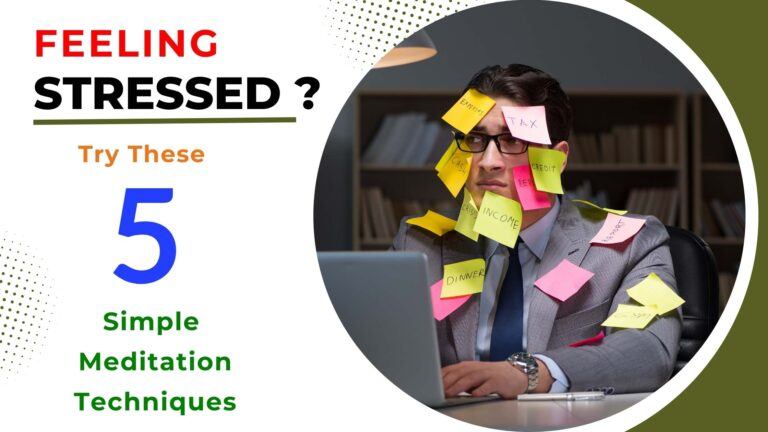
Anxiety can feel overwhelming, making it hard to focus, relax, or even breathe properly. Did you know that around 40 million adults in the U.S. experience anxiety each year? The good news is that you don’t need complicated techniques or hours of practice to find relief. Simple meditation techniques can help calm your mind and bring you back to the present moment in just a few minutes.
In this post, you’ll discover five easy meditation techniques that can help ease anxiety whenever it arises. Whether you’re feeling restless, overwhelmed, or struggling with racing thoughts, these methods will guide you toward a sense of calm and control. Let’s dive in.
1. Deep Breathing Meditation
When anxiety takes over, your breathing often becomes shallow and rapid. Deep breathing meditation helps slow down your breath, signaling your body to relax. This simple technique can quickly ease stress and bring a sense of calm.
How Deep Breathing Affects the Nervous System
Anxiety triggers the body’s “fight or flight” response, making your heart beat faster and muscles tense up. Deep breathing does the opposite, it activates the parasympathetic nervous system, which helps your body relax. This slows your heart rate, lowers blood pressure, and reduces stress hormones.
How to Practice Deep Breathing
- Find a comfortable position – Sit or lie down in a quiet place. Close your eyes if it helps you focus.
- Inhale deeply – Breathe in slowly through your nose for four seconds. Let your belly expand as you fill your lungs.
- Hold your breath – Pause for four seconds. This gives your body time to absorb the oxygen.
- Exhale slowly – Breathe out gently through your mouth for six seconds. Imagine releasing stress with each breath.
- Repeat – Continue for a few minutes, focusing on each inhale and exhale.
Why Deep Breathing Works
- Sends a signal to the brain that you are safe, reducing anxiety.
- Increases oxygen flow, helping you think clearly.
- Slows the heart rate, making you feel more at ease.
Best Time to Practice
You can use deep breathing anytime you feel anxious. It’s especially helpful:
- Before a stressful event (like a meeting or exam).
- During moments of panic or racing thoughts.
- Before bed to improve sleep.
Even a few minutes of deep breathing can make a big difference. Try it the next time you feel overwhelmed, and notice how your body responds.
2. Body Scan Meditation
Body scan meditation is a mindfulness technique that involves noticing different parts of your body one by one. Instead of getting lost in anxious thoughts, you shift your focus to physical sensations. This helps you feel grounded and relaxed.
How to Practice Body Scan Meditation
- Find a quiet place – Sit or lie down in a comfortable position. Close your eyes to focus better.
- Take a few deep breaths – Inhale slowly through your nose and exhale gently through your mouth.
- Start at your feet – Pay attention to how they feel. Are they warm or cool? Do they feel heavy or light? If there’s tension, imagine it softening.
- Move upward – Shift your focus to your legs, then your hips, belly, chest, arms, shoulders, and neck. Notice any tightness or discomfort.
- Release tension – If you feel tightness anywhere, breathe into that area and imagine it loosening.
- End with your head – Notice your jaw, face, and forehead. Let go of any tightness.
- Take a final deep breath – Slowly open your eyes and return to the present moment.
How Body Scan Meditation Helps with Anxiety
- Shifts focus away from anxious thoughts to physical sensations.
- Helps you recognize and release hidden tension in the body.
- Promotes deep relaxation and a sense of calm.
Best Time to Practice
You can use body scan meditation:
- Before bed to help relax and sleep better.
- During stressful moments when you feel overwhelmed.
- After a long day to ease tension in the body.
Practicing this for just a few minutes can make a big difference. The more you do it, the easier it becomes to notice and release tension when anxiety strikes.

Ready to Break Free from Pain?
Take the first step toward healing with Body as Healer.
Join Dr. Peter Levine’s transformative program and learn how to ease chronic pain, release stored trauma, and reclaim your energy.
Start your journey today!
3. Five Senses Grounding Meditation
This meditation uses your sight, touch, sound, smell, and taste to shift focus away from anxious thoughts. By paying attention to what’s happening around you, you remind your brain that you are safe in the present moment.
How to Practice Five Senses Grounding
- Look around you – Identify five things you can see. It could be a light, a plant, or even the colors in a painting.
- Focus on touch – Notice four things you can feel. The texture of your clothes, the ground under your feet, or the air on your skin.
- Listen to sounds – Identify three things you can hear. The hum of a fan, birds chirping, or distant voices.
- Notice scents – Find two things you can smell. A cup of coffee, fresh air, or even the scent of your soap.
- Taste something – Pay attention to one thing you can taste. It could be a sip of water, a piece of gum, or just the taste in your mouth.
Why Five Senses Grounding Helps with Anxiety
- Pulls your attention away from anxious thoughts.
- Helps your brain recognize that you are in a safe space.
- Slows down racing thoughts by focusing on physical sensations.
Best Time to Practice
This technique works best when:
- You feel overwhelmed by anxious thoughts.
- You need a quick way to calm down in public or at work.
- You want to bring mindfulness into daily activities.
The best part? You can do this anywhere, anytime. Try it the next time anxiety strikes and feel yourself return to the present moment.
4. Guided Visualization
Your mind reacts to imagined experiences almost as if they are real. When you picture a peaceful scene, your body responds by relaxing. This technique helps shift your focus from worry to calmness.
How to Practice Guided Visualization
- Find a quiet space – Sit or lie down in a comfortable position. Close your eyes to focus better.
- Take deep breaths – Inhale slowly through your nose and exhale through your mouth. Let go of tension.
- Picture a peaceful place – Imagine a scene that makes you feel safe and relaxed. It could be a beach, a forest, or a quiet garden.
- Engage your senses – What do you see? The blue ocean, tall trees, or soft grass? What do you hear? Birds singing, waves crashing, or leaves rustling? What do you feel? The warmth of the sun or a cool breeze?
- Stay in the moment – Spend a few minutes fully immersed in this scene. Let it fill you with peace.
- Gently return – Slowly bring your focus back to the present. Open your eyes and take a deep breath.
Why Guided Visualization Helps with Anxiety
- Shifts your focus from stress to a calming mental image.
- Engages the senses, making relaxation feel more real.
- Lowers heart rate and reduces tension in the body.
Best Time to Practice
This technique works well when:
- You feel overwhelmed and need a quick escape.
- You are struggling with racing thoughts.
- You want to relax before bed or after a stressful day.
Even a few minutes of guided visualization can reset your mind. Try it the next time anxiety takes over and see how much calmer you feel.

Ready to Experience the Calm?
Take the first step toward a peaceful mind and a more centered life today. Access the 200 Guided Meditation Scripts and discover the perfect meditation for any moment. Whether you’re new to meditation or looking to deepen your practice, these scripts are your guide to relaxation, clarity, and inner peace.
Get Instant Access Now – Your mind and body will thank you.
5. Mantra Meditation
A mantra is a word or phrase that you repeat to yourself. It can be spoken out loud or silently in your mind. The rhythm of repetition helps quiet anxious thoughts and brings a sense of peace.
How to Practice Mantra Meditation
- Choose a calming mantra – Pick a phrase that makes you feel safe and relaxed. Examples include:
- “I am calm and in control.”
- “This moment is enough.”
- “Breathe in peace, breathe out stress.”
- Find a quiet place – Sit comfortably with your eyes closed. Relax your body.
- Take deep breaths – Inhale slowly through your nose and exhale gently through your mouth.
- Repeat your mantra – Say it softly or in your mind. Sync it with your breathing if possible.
- Stay focused – If your mind wanders, gently bring it back to your mantra.
- Continue for a few minutes – When ready, take a final deep breath and open your eyes.
Why Mantra Meditation Helps with Anxiety
- Interrupts anxious thought patterns.
- Creates a sense of rhythm and stability.
- Helps you focus on something positive and grounding.
Best Time to Practice
Mantra meditation is useful when:
- Your mind feels overwhelmed with negative thoughts.
- You need a quick way to calm down in a stressful moment.
- You want to start or end your day with a peaceful mindset.
Repeating a mantra daily can train your mind to stay calmer over time. Try it and notice how it changes your response to stress.
Final Thoughts
Anxiety can feel overwhelming, but you don’t have to let it take control. Simple meditation techniques like deep breathing, body scan meditation, five senses grounding, guided visualization, and mantra meditation can help you find calm in stressful moments. These methods don’t require special tools or long practice sessions. Just a few minutes of focus can make a big difference.
Next time you feel overwhelmed, try one of these techniques. With regular use, you’ll build a stronger sense of inner peace and control over your mind. Give it a try and see how meditation can help you navigate anxiety with ease.
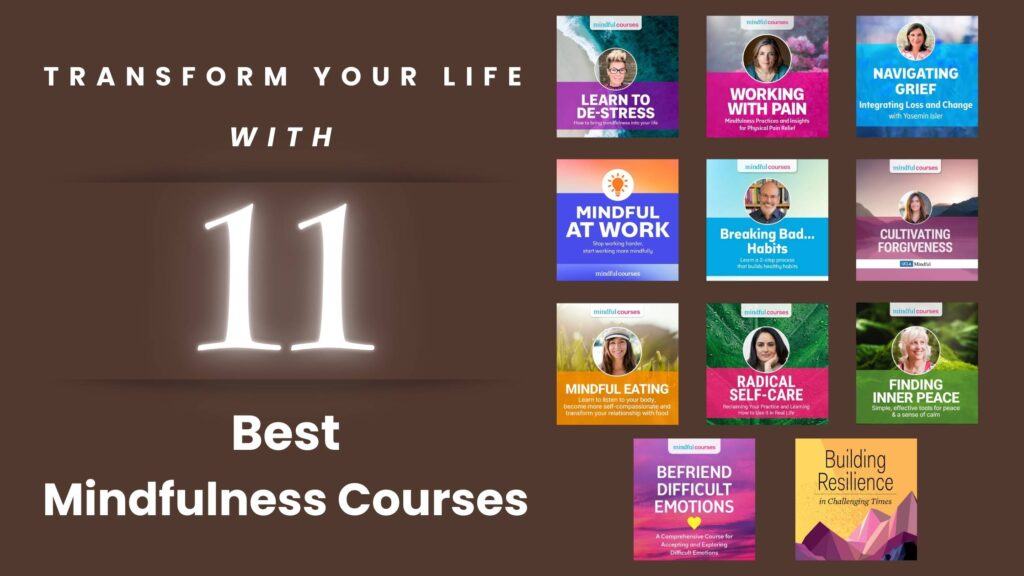
Deepen Your Mindfulness Practice
Explore these top mindfulness courses and find the one that best suits your needs.
Whether you want to reduce stress, build resilience, or cultivate self-compassion, there’s a course for you.
Start your journey today!
