
Meditation can be tough, especially when you’re just starting out. You might find yourself feeling restless, distracted, or wondering if you’re doing it all wrong. But the truth is, these struggles are a normal part of the journey. In this post, Meditation for Beginners Made Real, we’ll explore 5 common signs that show you’re not a ‘bad meditator’, you’re simply on the right path.
Whether you’re struggling with a busy mind, physical discomfort, or missed sessions, these challenges are a sign of progress, not failure. Keep reading to discover how you’re actually succeeding in your practice, even when it feels hard.
Sign #1: You Can’t Stop Your Thoughts (And That’s Normal!)
When you first start meditating, you might think you’re supposed to have a completely empty mind. But the truth is, it’s completely normal for your thoughts to keep popping up during meditation. In fact, the goal isn’t to stop your thoughts altogether, but to learn how to observe them without getting caught up in them.
At the beginning of your practice, your mind might feel like it’s racing with all sorts of thoughts, things you need to do, conversations you’ve had, or even random ideas that pop up. This can feel frustrating, especially if you’ve heard that meditation is all about “emptying the mind.”
Here’s the thing: it’s not about stopping your thoughts, but rather, about accepting them without judgment. When a thought arises, gently notice it and then return your focus to your breath, body, or whatever you’re using as an anchor in your meditation.
The more you practice this, the easier it gets to observe your thoughts without getting attached to them.
Key takeaways:
- Thoughts are normal, even seasoned meditators experience them.
- It’s not about stopping them, but observing them without judgment.
- Gentle redirection, when a thought arises, bring your focus back to your anchor (e.g., breath, body).
Remember, even seasoned meditators experience thoughts during their sessions. The key is to stop seeing thoughts as a problem and instead, embrace them as part of the process.
So, if you find yourself thinking during meditation, don’t stress. This is actually a sign that you’re doing it right, not that you’re doing it wrong.
Sign #2: You Feel Restless or Uncomfortable
Feeling restless or uncomfortable during meditation is another common experience for beginners, and it doesn’t mean you’re doing it wrong. In fact, physical discomfort is a natural part of meditation, especially when your body isn’t used to sitting still for extended periods.
At first, you might feel like you can’t sit still or your legs start to ache. It’s normal for your body to resist stillness, especially if you’re used to being constantly active. However, this discomfort is a sign that your body is adjusting to the practice. The more you meditate, the more your body will learn to relax and settle into stillness.
Here are a few tips to help you deal with physical discomfort during meditation:
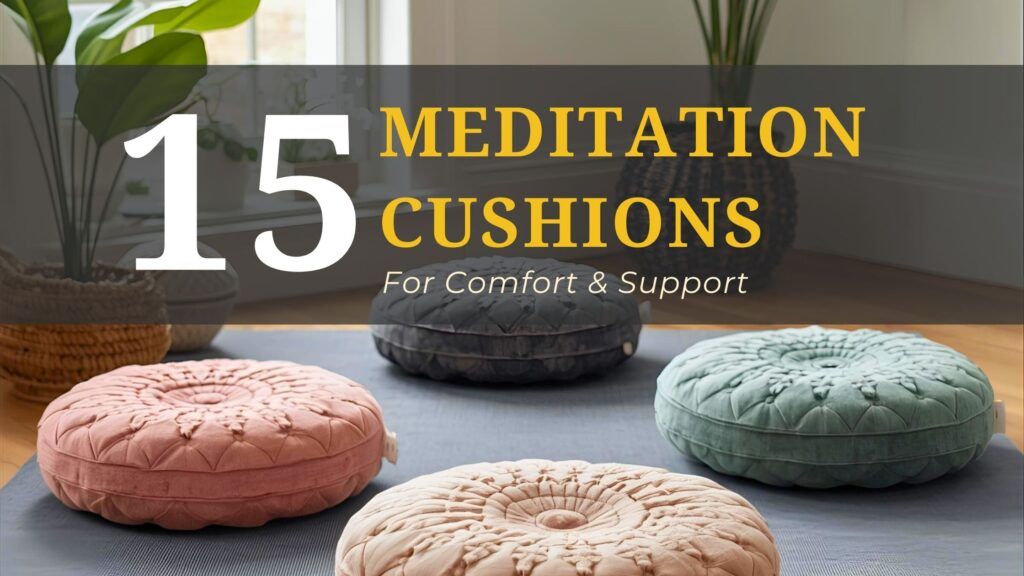
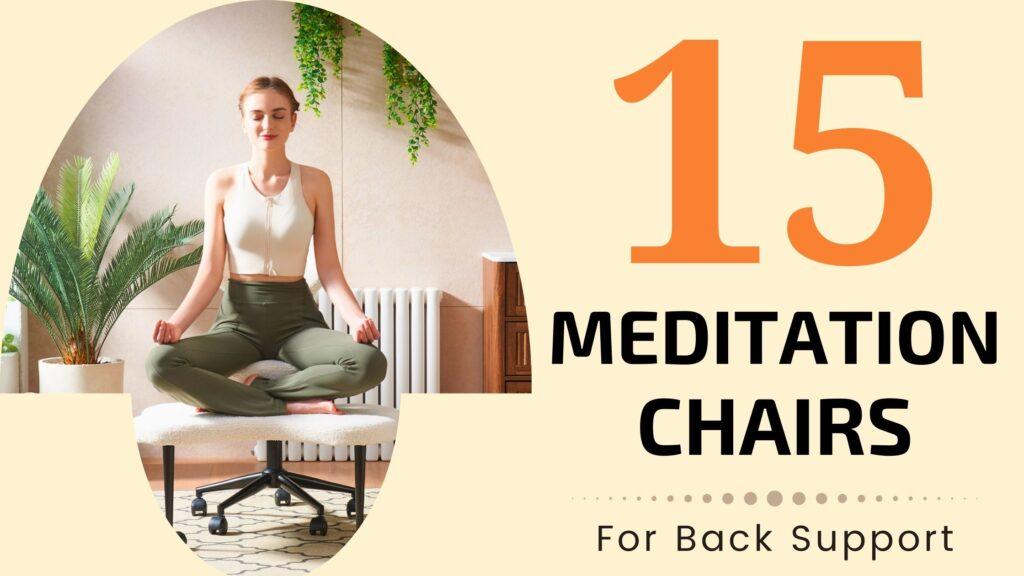
- Adjust your posture: Ensure that your back is straight and your body is aligned. Sometimes small changes, like sitting on a cushion or using a chair, can make a big difference.
- Take breaks if needed: It’s okay to take a short break if you’re feeling too uncomfortable. You can always come back to your practice when you’re ready.
- Practice shorter sessions: If you’re new to meditation, it’s okay to start with just a few minutes. As your body gets used to sitting, you can gradually extend the time.
- Focus on your breath: When discomfort arises, gently bring your focus back to your breath. This helps distract from the discomfort and shifts your attention back to your meditation practice.
Key takeaways:
- Physical discomfort is normal, especially for beginners.
- Small changes in posture or seating can help reduce discomfort.
- Start with shorter sessions and gradually increase the time as your body adjusts.
Remember, feeling restless or uncomfortable doesn’t make you a bad meditator. It’s simply part of the process as your body gets used to sitting still and focusing. So, be patient with yourself and know that with time, it will get easier.
Need Extra Comfort for Your Practice?
If you’re struggling with discomfort during meditation, finding the right support can make all the difference. Check out these helpful guides
Sign #3: You Don’t Experience Instant Calm or Bliss
It’s common to expect that meditation will bring instant calm or bliss, especially when you first start. But the reality is, meditation is not a quick fix. It’s a practice that takes time to bring noticeable results.
When you meditate, you might expect to feel an immediate sense of peace or deep relaxation. However, most beginners don’t feel a dramatic shift right away, and that’s perfectly normal. Meditation is a skill, and like any skill, it takes time to develop. The benefits of meditation often come gradually, they build up over time as you continue practicing.
Here are a few things to keep in mind if you’re not feeling calm or blissful right away:
- Be patient with yourself: It’s okay not to feel instantly relaxed. Meditation is about practicing awareness, not immediate results.
- Consistency is key: Even if you don’t feel calm during your sessions, your brain and body are still benefiting from the practice. The effects of meditation accumulate over time.
- Focus on progress, not perfection: Celebrate small moments of clarity or calm, even if they are brief. Every session is an opportunity to strengthen your practice.
Key takeaways:
- Instant calm or bliss is not a guarantee, meditation takes time.
- Consistency is important for long-term benefits.
- Small moments of clarity or calm are progress, even if they are brief.
Remember, meditation is a long-term practice, and it’s perfectly fine if you don’t experience instant calm. With each session, you’re laying the foundation for greater peace and mindfulness in your life.
Sign #4: You Miss Sessions, and That’s Okay
Missing a meditation session doesn’t make you a “bad meditator.” In fact, it’s completely normal to miss a day here and there, especially when you’re just starting out. Life can get busy, and sometimes meditation might not be at the top of your to-do list.
The key is not to let missing a session make you feel guilty or discouraged. Meditation is a personal practice, and it’s okay to miss a day, a few days, or even a week. What matters is that you get back to your practice when you’re ready.
Here’s how to stay motivated and avoid feeling like you’ve “failed” when you miss a session:
- Don’t be hard on yourself: Life happens, and sometimes meditation just doesn’t fit into your day. It’s important to be kind to yourself, rather than feeling guilty.
- Get back on track: When you miss a session, simply return to your practice as soon as you can. The most important thing is to keep going, even if it’s not perfect.
- Set realistic goals: Instead of aiming for long, daily sessions right away, try short, regular practices. A 5-minute session every day is more sustainable than forcing yourself to meditate for 30 minutes if that doesn’t feel doable.
- Focus on progress: Every time you return to your practice, you’re making progress. Missing a session doesn’t mean you’ve failed, it’s just part of the process.
Key takeaways:
- Missing a session is normal, don’t feel guilty.
- Get back to your practice when you’re ready.
- Start with short, regular sessions to build consistency.
Remember, it’s okay to miss sessions. The important part is to keep coming back and be consistent over time, not perfect. Meditation is about building a habit, not about never missing a day.
Sign #5: You Compare Yourself to Others (Stop Doing That!)
It’s easy to look at other meditators, whether in person or online, and feel like you’re not doing enough or not doing it right. But comparing your meditation journey to someone else’s is one of the most unhelpful things you can do. Everyone’s practice is unique, and your progress is yours alone.
When you start comparing yourself to others, you can end up feeling discouraged or inadequate. This is completely normal, but it’s important to recognize that everyone’s meditation journey looks different. Some people might have been practicing for years, while others are just starting out, and that’s okay.
Here are a few reasons why comparing yourself to others can be harmful, and how to shift your mindset:
- Focus on your own progress: Instead of looking at how others meditate, focus on how your own practice is evolving. Celebrate your own small wins, like staying focused for a few minutes or feeling more present throughout the day.
- Everyone is at a different stage: Some people may seem like they’re “better” at meditation, but that doesn’t mean you’re doing it wrong. It’s about where you are now and how you’re growing in your own practice.
- Meditation is personal: It’s about what works for you, not what works for someone else. Your practice should reflect your needs, your challenges, and your goals.
- Embrace self-compassion: Be kind to yourself and allow yourself to grow at your own pace. Meditation is not a race.
Key takeaways:
- Stop comparing, focus on your unique journey.
- Everyone is at a different stage, don’t judge yourself by others.
- Meditation is about your personal growth, not perfection.
Remember, the only person you should compare yourself to is the person you were yesterday. Everyone’s path to mindfulness is different, so focus on your own practice and trust that you’re on the right track.
Final Thoughts
Meditation is a deeply personal journey, and there’s no one-size-fits-all approach. If you’ve found yourself struggling with any of the signs we’ve discussed, whether it’s a racing mind, physical discomfort, missed sessions, or comparing yourself to others, remember, this doesn’t make you a ‘bad meditator.’ These challenges are all part of the learning process, and you’re exactly where you need to be.
The key is to embrace the process with patience and self-compassion. Each meditation session, no matter how imperfect, is a step toward greater mindfulness, clarity, and peace. So, if you don’t experience instant calm, or if you miss a day, don’t worry, you’re doing just fine.
Keep practicing, stay consistent, and trust that your meditation practice will evolve in its own time. With each session, you’ll get closer to the calm and clarity you seek, and more importantly, you’ll learn to embrace the beauty of the journey itself.
Still wondering why meditation isn’t clicking for you?
You’re not alone. In fact, most beginners hit the same roadblocks. Learn what might really be going on: